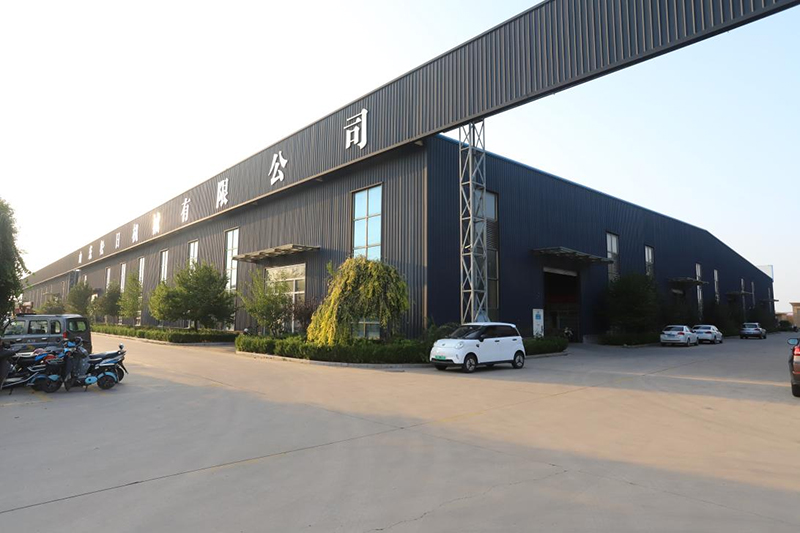
Welcome to visit our factory at any time !
 LANGUAGE


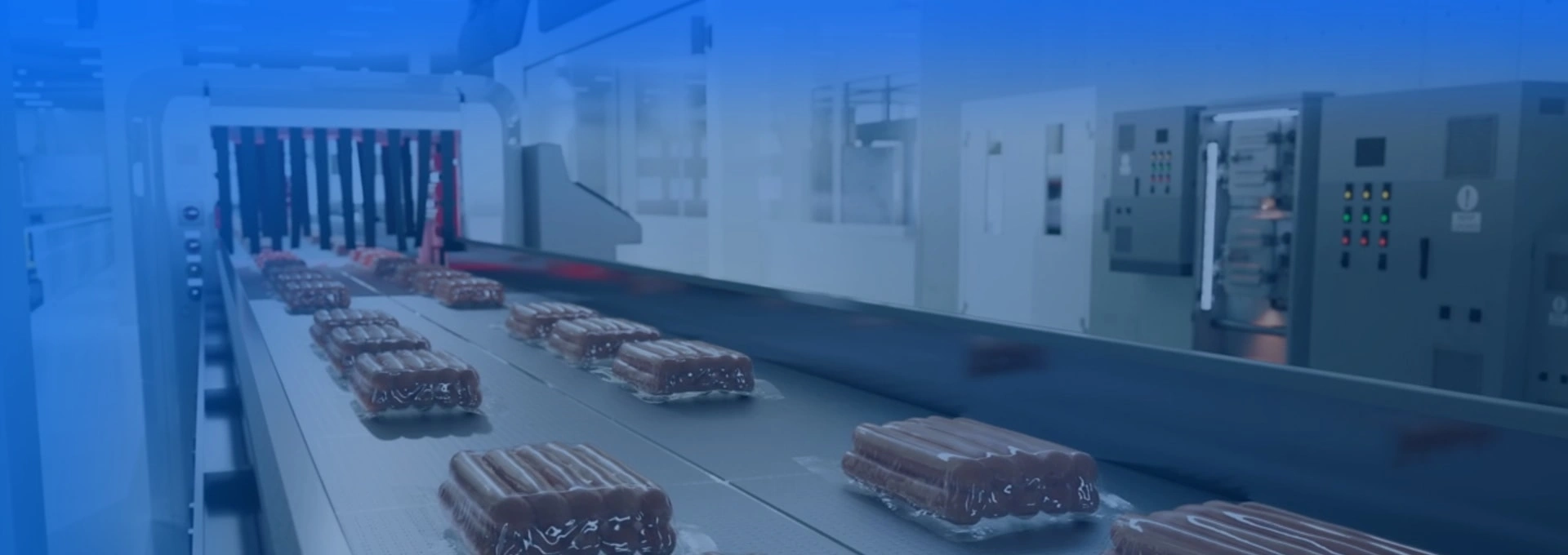
In many industries today, packaging plays a far more critical role than it did even a decade ago. It's no longer just about enclosing a product — it's about preserving quality, protecting value, and ensuring that what reaches the customer is exactly what left your facility. This shift has made vacuum packaging machines an essential part of operations for businesses that care about consistency, efficiency, and long-term profitability.
From food processors to manufacturers handling sensitive components, companies are increasingly recognizing that traditional packaging methods simply cannot deliver the same level of protection and performance. Vacuum packaging, by contrast, introduces a controlled environment that directly impacts product lifespan, storage efficiency, and overall operational reliability.
At its core, a vacuum packaging machine removes air from a package before sealing it. While that might sound simple, the implications are significant. Air — particularly oxygen — is one of the main contributors to spoilage, degradation, and contamination. When oxygen is present, it fuels bacterial growth, accelerates oxidation, and gradually reduces the quality of a product.
By extracting that air and sealing the package tightly, vacuum packaging slows these processes down dramatically. The result is a stable environment where external factors have minimal influence. This is why products that are vacuum sealed tend to last longer, maintain their original characteristics, and arrive in better condition compared to those packaged using conventional methods.
One of the most immediate and noticeable benefits of vacuum packaging is the way it preserves freshness. In industries like food processing, freshness isn't just a selling point — it's a necessity. Customers expect products to look, taste, and feel as though they were prepared recently, even if they've been stored or transported over long distances.
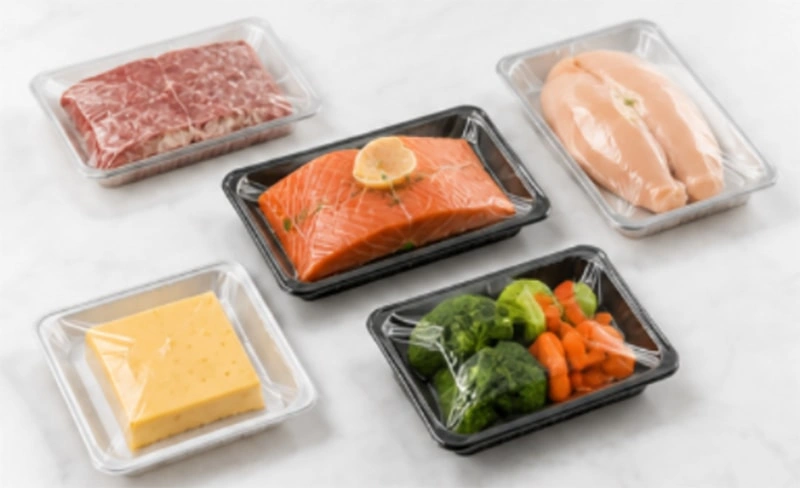
Vacuum packaging helps achieve this by locking in the natural state of the product. Without exposure to air, flavors remain intact, textures stay consistent, and colors don't fade as quickly. This is particularly important for items like meat, seafood, and dairy, where even slight degradation can affect customer perception and satisfaction.
Over time, businesses that adopt vacuum packaging often notice a clear improvement in product consistency. That consistency translates directly into stronger brand trust, which is difficult to achieve through packaging methods that allow gradual quality loss.
Shelf life has a direct impact on how a business operates. When products have a short lifespan, companies are forced to move inventory quickly, often leading to rushed logistics, limited distribution reach, and higher chances of waste.
Vacuum packaging changes that dynamic. By significantly extending the usable life of a product, it gives businesses more flexibility in how they manage inventory. Products can be stored for longer periods without compromising quality, which means fewer losses due to spoilage and more opportunities to optimize supply chains.
This extended shelf life is not just about convenience — it directly affects profitability. When less product is discarded and more inventory remains sellable, the overall efficiency of the business improves. Over time, these gains can be substantial, especially for companies dealing with high-volume production.
Another important advantage of vacuum packaging lies in its ability to protect products from contamination. In environments where hygiene and safety are critical, even minor exposure to external elements can lead to serious issues.
Vacuum-sealed packaging creates a tightly enclosed space that limits contact with dust, moisture, and airborne particles. More importantly, the absence of oxygen restricts the growth of many types of bacteria that would otherwise thrive in traditional packaging conditions.
For industries such as food production and medical equipment handling, this added layer of protection is essential. It not only helps maintain product integrity but also supports compliance with safety and quality standards. Businesses can operate with greater confidence, knowing that their packaging process actively contributes to product safety.
Storage is often an overlooked cost factor in business operations. Warehousing space, refrigeration units, and transportation capacity all come at a price, and inefficient packaging can quickly increase those costs.
Vacuum packaging offers a practical solution by reducing the volume of packaged goods. When air is removed, products take up less space, making them easier to store and transport. This allows businesses to maximize their storage capacity without expanding physical infrastructure.
The impact becomes even more noticeable in logistics. More compact packaging means more products can be shipped in a single load, improving distribution efficiency and lowering transportation expenses. Over time, these improvements contribute to a leaner, more cost-effective operation.
For businesses dealing with frozen goods, maintaining quality over time can be a challenge. Traditional packaging often allows small amounts of air to remain, which leads to freezer burn and moisture loss. This not only affects the appearance of the product but also its taste and texture.
Vacuum packaging eliminates this issue by removing the air that causes these problems in the first place. As a result, products retain their original moisture levels and structural integrity, even after extended periods in cold storage.
This level of protection is especially valuable for companies that rely on bulk storage or long-distance distribution. It ensures that products remain in optimal condition until they reach the end user, reducing complaints and returns.
While functionality is important, presentation also plays a key role in how products are perceived. Packaging is often the first thing a customer notices, and it can influence purchasing decisions more than many businesses realize.
Vacuum packaging creates a clean, tightly sealed appearance that highlights the product itself. There's no excess air, no loose wrapping — just a clear, professional presentation that communicates quality and care.
This kind of visual appeal can strengthen a brand's image, especially in competitive markets where customers are comparing similar products. A well-packaged item not only looks better but also signals reliability, which can make a lasting impression.
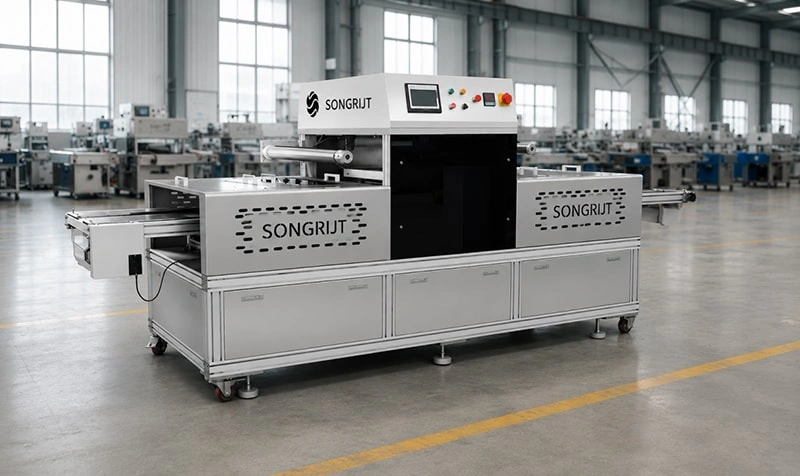
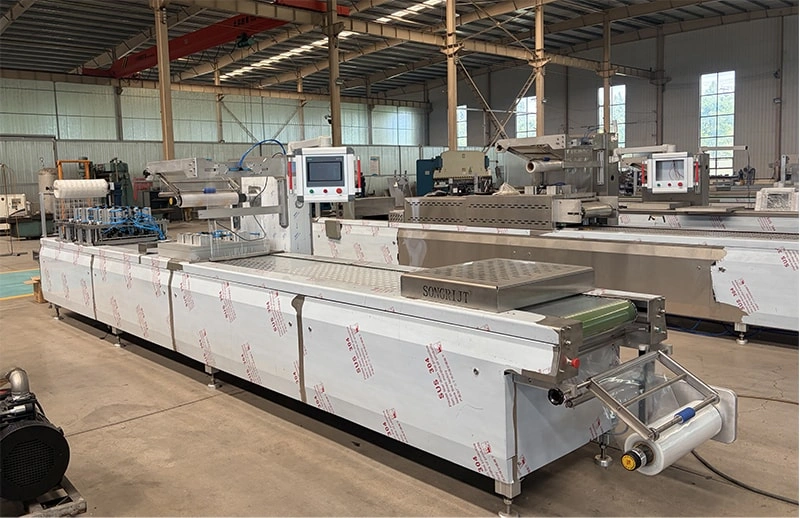
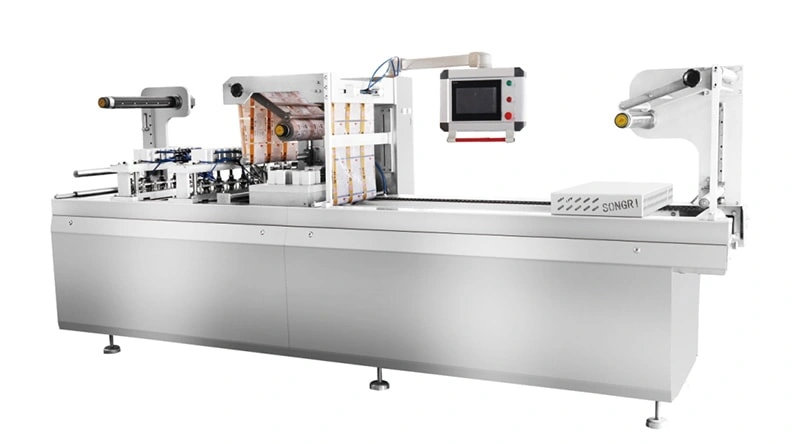
Modern vacuum packaging machines are designed with efficiency in mind. They integrate smoothly into production lines and reduce the need for manual intervention. This allows businesses to maintain consistent packaging quality while increasing output.
Automation also helps minimize human error, which can be a common issue in manual packaging processes. With precise control over sealing and vacuum levels, machines ensure that every package meets the same standard.
For growing businesses, this level of consistency is crucial. It allows operations to scale without compromising quality, making it easier to meet increasing demand while maintaining efficiency.
One of the reasons vacuum packaging has become so widely adopted is its versatility. It's not limited to a single type of product or industry. Instead, it can be adapted to suit a wide range of applications, from food items to industrial components.
In electronics, for example, vacuum packaging helps prevent moisture-related damage. In pharmaceuticals, it supports product stability and safety. In manufacturing, it protects parts from corrosion and environmental exposure.
This adaptability makes vacuum packaging machines a valuable long-term investment. Businesses can use the same technology across different product lines, ensuring consistency while reducing the need for multiple packaging systems.
Sustainability is becoming an important consideration for businesses worldwide. While packaging is often associated with waste, vacuum packaging can actually contribute to more sustainable practices.
By extending shelf life and reducing spoilage, it minimizes the amount of product that ends up being discarded. Additionally, the compact nature of vacuum-sealed packages reduces the need for excess materials and lowers transportation emissions.
These factors combine to create a more efficient system that aligns with modern sustainability goals, without compromising on performance or quality.
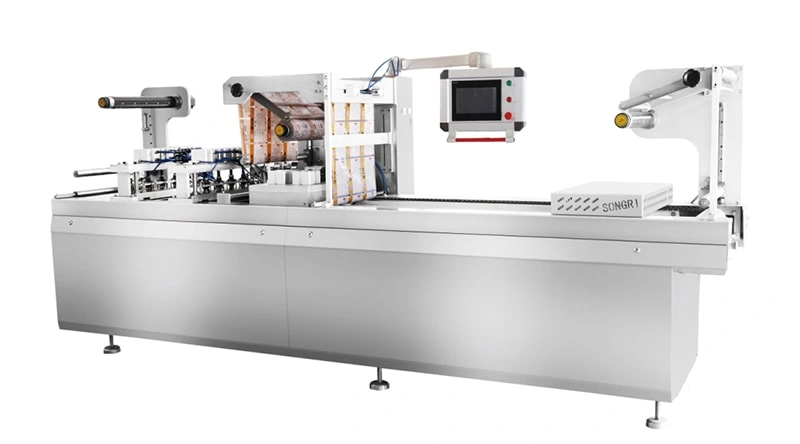
A vacuum packaging machine is more than just a piece of equipment — it's a solution that addresses multiple challenges at once. From preserving freshness and extending shelf life to improving efficiency and reducing waste, its impact can be seen across every stage of the production and distribution process.
For businesses looking to stay competitive in today's market, investing in reliable packaging technology is no longer optional. It's a strategic move that supports growth, enhances product quality, and builds long-term trust with customers.



Copyright © 2026 by Shandong Songri Machinery Co., Ltd. All Rights Reserved
Privacy Policy | Sitemap Designed by HUISHANG