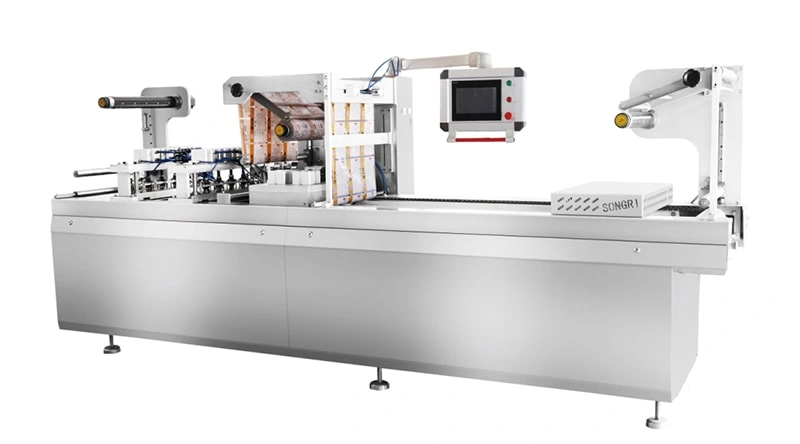
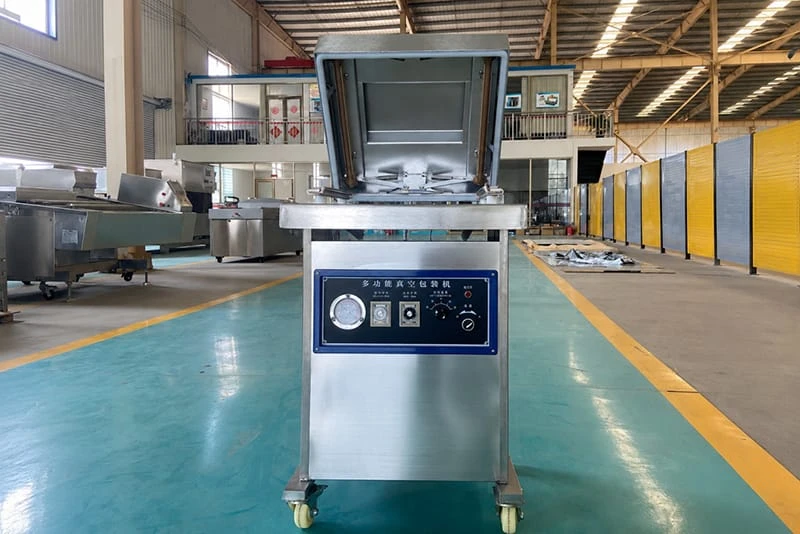
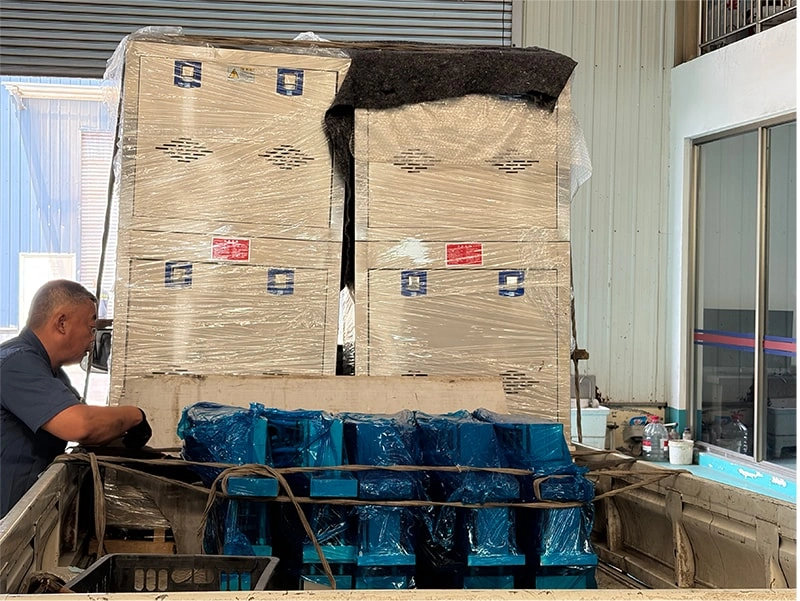
Welcome to visit our factory at any time !
 LANGUAGE


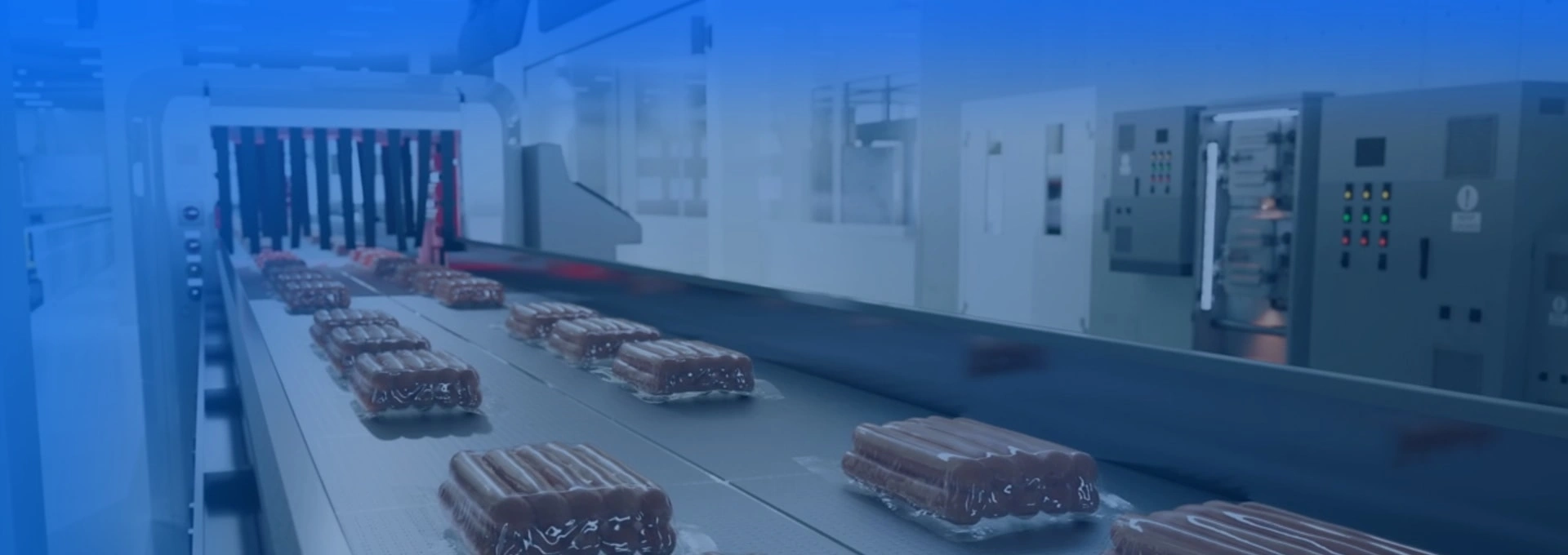
Packaging has always been a core part of product handling, but the expectations around it have changed significantly in recent years. It's no longer just about enclosing a product for storage or transport — it's about preserving quality, maintaining safety, and delivering a consistent experience to the end user.
As businesses grow and supply chains become more complex, many are re-evaluating their packaging methods. One comparison that comes up frequently is vacuum packaging versus traditional packaging. While both serve the same basic purpose, the way they perform — and the results they deliver — are very different.
Understanding these differences is essential for making the right investment for your business.
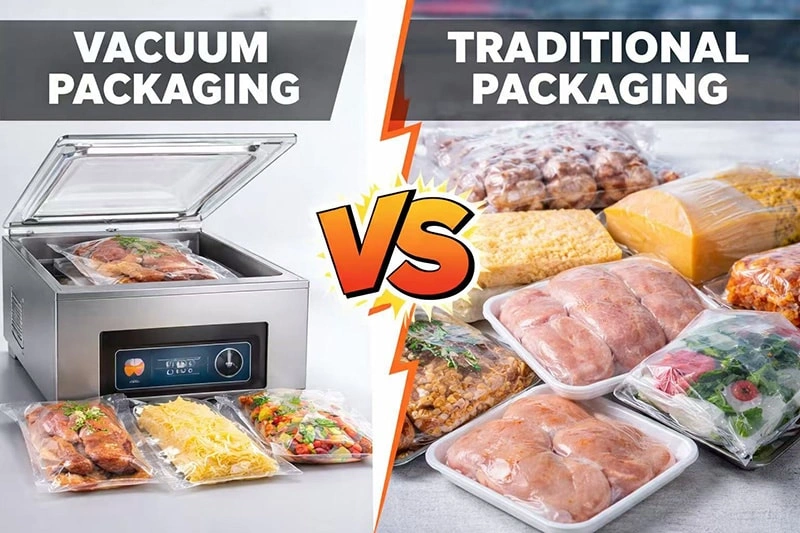
Traditional packaging is what most businesses have relied on for years. It includes methods like simple sealing, wrapping, or enclosing products in containers without removing air. This approach is widely used because it is straightforward and requires minimal equipment.
However, the presence of air inside the packaging plays a major role in how the product behaves over time. Oxygen, moisture, and environmental exposure continue to interact with the product even after it has been sealed. This means that while the product is technically “packaged,” it is not fully protected.
For short-term storage or fast-moving goods, traditional packaging may still be sufficient. But as soon as products need to travel longer distances or stay in storage for extended periods, its limitations start to become more noticeable.
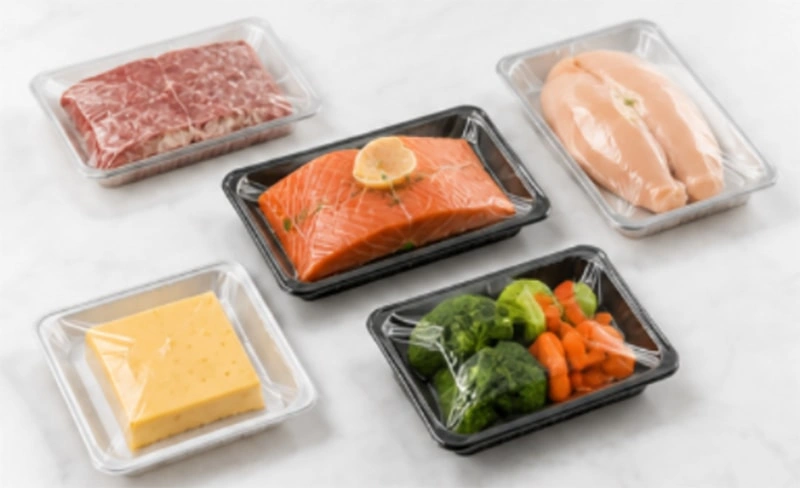
Vacuum packaging takes a fundamentally different approach by removing air before sealing the product. This simple shift creates a controlled environment where many of the factors that cause degradation are significantly reduced.
Without oxygen, the rate of oxidation slows down, bacterial growth is limited, and moisture-related issues are minimized. The packaging becomes more than just a covering — it becomes a protective barrier that actively preserves the condition of the product.
This is why vacuum packaging is increasingly being adopted across industries where quality, safety, and longevity are critical.
One of the most important differences between the two methods is how they affect shelf life. In traditional packaging, products remain exposed to air, which means natural degradation continues at a steady pace. Over time, this leads to spoilage, loss of freshness, and reduced usability.
Vacuum packaging, on the other hand, slows these processes down considerably. By eliminating the main element responsible for deterioration, it allows products to remain stable for longer periods. This extended shelf life provides businesses with greater flexibility in storage and distribution.
It also reduces the pressure to sell products quickly, which can be a major advantage in industries where demand fluctuates or logistics are unpredictable.
From a customer's perspective, product quality is everything. Whether it's food, medical supplies, or industrial components, the expectation is that the product will arrive in excellent condition.
Traditional packaging can struggle to maintain this consistency, especially over longer durations. Changes in texture, color, or performance can occur gradually, often without being immediately visible.
Vacuum packaging addresses this issue by maintaining the product's original state more effectively. It helps preserve the characteristics that matter most, ensuring that the end user experiences the product as intended.
This consistency plays a key role in building trust and encouraging repeat business.
Another area where the difference becomes clear is protection. Traditional packaging offers a basic level of coverage, but it does not fully isolate the product from its surroundings. Airborne particles, humidity, and other environmental factors can still find their way inside over time.
Vacuum packaging creates a sealed environment that significantly reduces these risks. By removing air and sealing the package tightly, it limits exposure to contaminants and helps maintain a cleaner, safer product.
For industries with strict quality and hygiene requirements, this added level of protection is not just beneficial — it's often necessary.
Operational efficiency is another factor that businesses need to consider. Traditional packaging often includes excess air, which increases the volume of each package. This may not seem like a major issue at first, but it quickly adds up when dealing with large quantities.
Vacuum packaging reduces this excess space, allowing products to be stored and transported more efficiently. With more compact packaging, businesses can make better use of their storage facilities and reduce shipping costs.
Over time, these improvements contribute to a more streamlined operation, where resources are used more effectively and costs are kept under control.
At first, traditional packaging may appear to be the more cost-effective option. It typically requires less specialized equipment and can be implemented quickly. However, this initial simplicity can come at a cost over time.
Shorter shelf life, higher spoilage rates, and less efficient storage all contribute to ongoing expenses that are not always immediately visible.
Vacuum packaging, while requiring a higher upfront investment, often delivers better long-term value. By reducing waste, improving efficiency, and maintaining product quality, it helps businesses recover that investment over time.
When viewed from a broader perspective, it becomes clear that the real cost is not just in the packaging method itself, but in how it affects the entire operation.
The choice between vacuum and traditional packaging also depends on the nature of the product and the industry. Traditional packaging may still work for items that are not sensitive to air exposure or that are consumed quickly.
However, for products that require extended storage, careful handling, or protection from environmental factors, vacuum packaging offers clear advantages. This is why it is widely used in sectors such as food processing, pharmaceuticals, and manufacturing.
Its ability to adapt to different requirements makes it a versatile solution for businesses looking to improve their packaging systems.
The answer ultimately depends on what your business needs. If your operations are simple, your products move quickly, and shelf life is not a concern, traditional packaging may still serve its purpose.
But if you are focused on quality, efficiency, and long-term performance, vacuum packaging stands out as the more reliable option. It provides a level of control and protection that traditional methods simply cannot match.
As markets become more competitive and customer expectations continue to rise, investing in better packaging is not just about keeping up — it's about staying ahead.



Copyright © 2026 by Shandong Songri Machinery Co., Ltd. All Rights Reserved
Privacy Policy | Sitemap Designed by HUISHANG