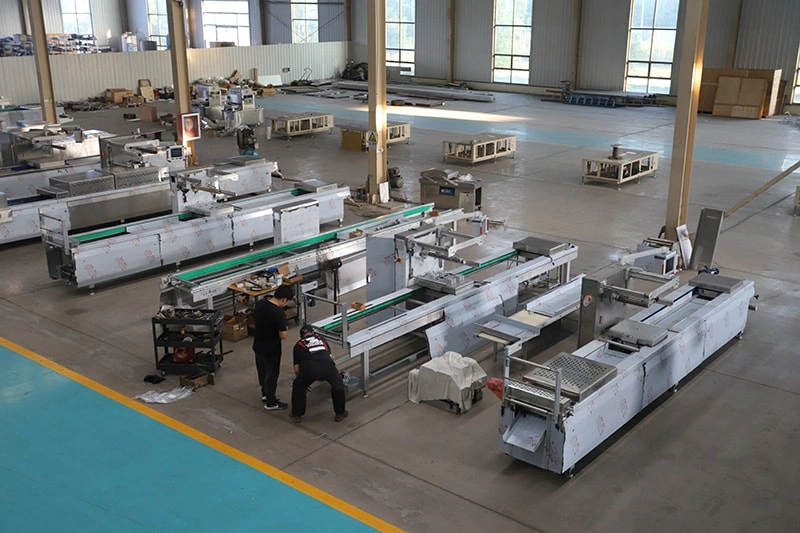
Welcome to visit our factory at any time !
 LANGUAGE


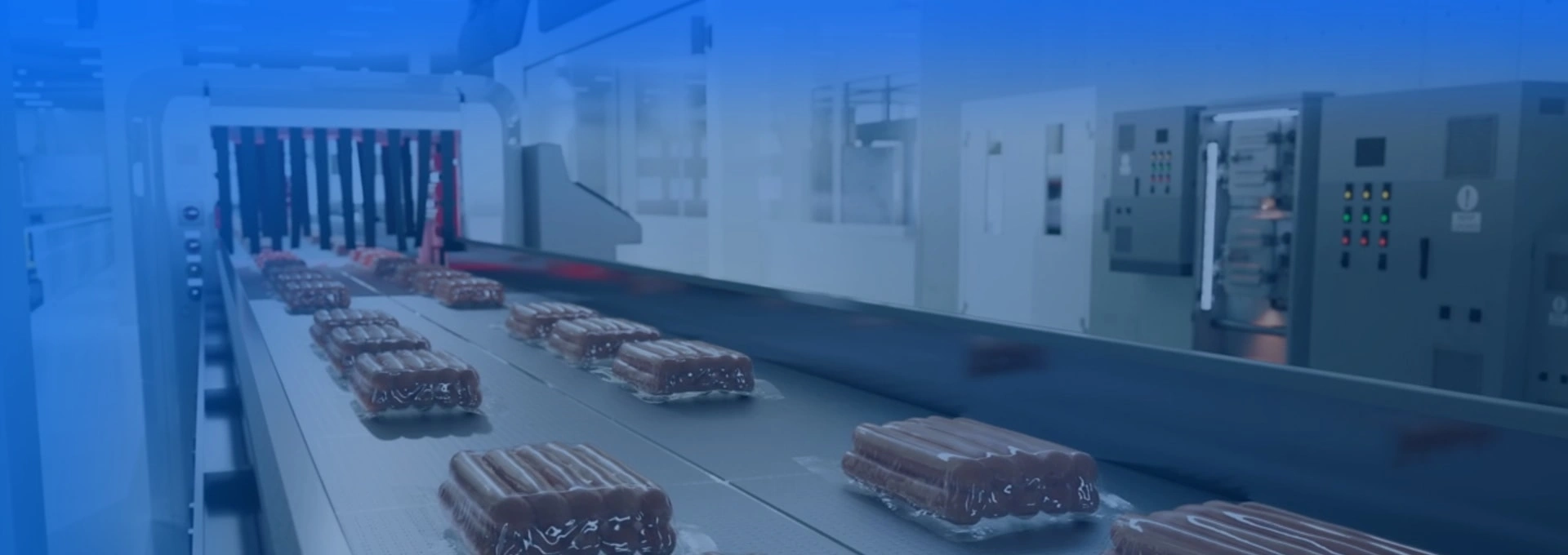
Choosing a vacuum packaging machine isn't just about picking the most advanced model or the lowest price. It's about understanding how the machine fits into your production line, your product type, and your long-term business goals. Many businesses rush into a purchase and later realize the machine doesn't fully meet their needs, which leads to inefficiencies, higher costs, or even product quality issues.
A well-chosen vacuum packaging machine, on the other hand, can transform operations. It improves shelf life, enhances product presentation, reduces waste, and creates consistency across batches. The key is knowing what to look for before making that investment.
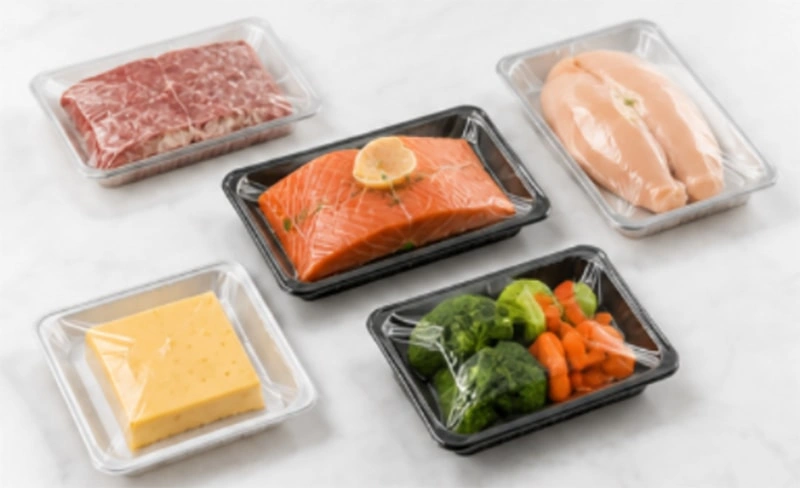
The first thing to consider is what exactly you plan to package. Not all vacuum packaging machines are designed for the same applications. Solid foods like meat, seafood, and cheese behave very differently compared to liquids, powders, or delicate items.
For example, products with high moisture content may require machines with liquid control systems or gentle vacuum cycles to prevent spillage or deformation. Fragile items, such as baked goods, need controlled pressure to avoid crushing. Meanwhile, industrial products like electronics or hardware may need moisture-proof sealing rather than food-grade preservation.
The shape and size of your product also matter. Larger or irregularly shaped items may require chamber machines with more space, while smaller items can be efficiently handled by compact systems.
Another important factor is how much you plan to produce on a daily basis. A small business with limited output might do perfectly well with a single chamber machine. However, as production scales up, the need for faster and more efficient systems becomes obvious.
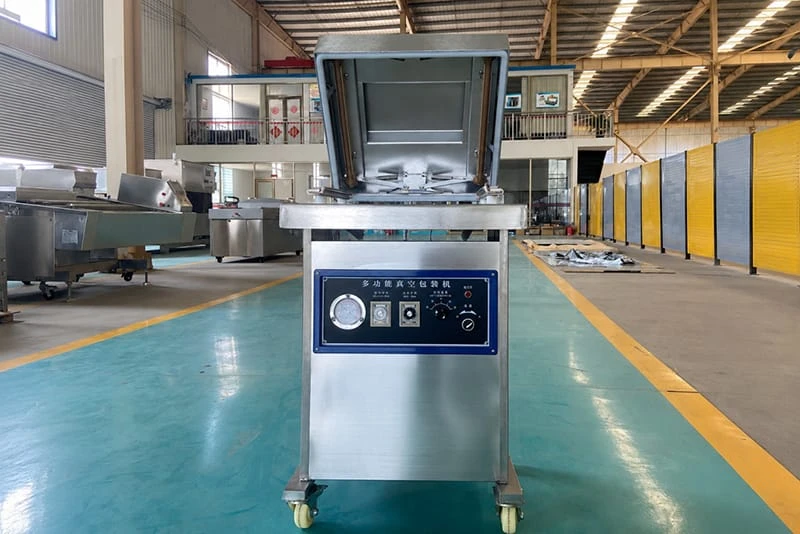
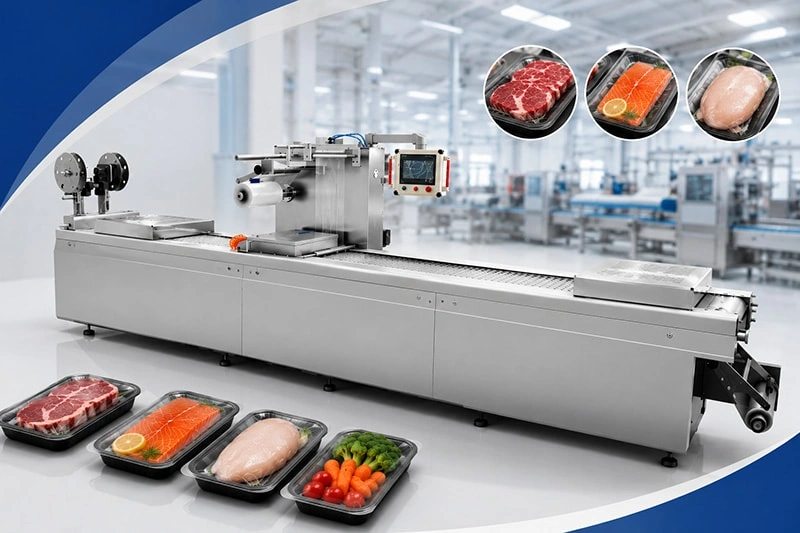
Double chamber machines allow operators to prepare one batch while another is being sealed, effectively doubling productivity. For even higher volumes, automated or rotary vacuum packaging machines provide continuous operation with minimal manual intervention.
If your business is growing or planning to expand, it's wise to think ahead. Investing in a slightly higher-capacity machine now can save you from upgrading too soon later.
Automation plays a big role in modern packaging operations. Manual machines are cost-effective and easy to operate, but they rely heavily on labor. Semi-automatic and fully automatic systems, on the other hand, reduce human involvement and improve consistency.
Automated systems are particularly useful in industries where speed, hygiene, and precision are critical. They also help reduce labor costs and minimize human error. However, they come with a higher upfront investment, so it's important to balance cost with long-term efficiency gains.
Vacuum packaging is not a one-size-fits-all process. There are different methods available, and each serves a specific purpose.
Traditional vacuum sealing removes air from the package, making it ideal for extending shelf life. Modified Atmosphere Packaging (MAP) replaces air with a specific gas mixture to preserve freshness and appearance, especially for fresh produce and ready meals. Vacuum skin packaging tightly wraps the product, improving visual appeal and reducing movement inside the pack.
Choosing the right technology depends on your product and market. For example, retail-ready products often benefit from skin packaging due to their premium look, while bulk storage may only require standard vacuum sealing.
A vacuum packaging machine is a long-term investment, so build quality should never be overlooked. Machines made with stainless steel are generally more durable, easier to clean, and better suited for food processing environments.
Pay attention to key components like the vacuum pump, sealing bars, and control system. A high-quality vacuum pump ensures consistent performance, while reliable sealing bars prevent leakage and product spoilage.
It's also worth considering how easy the machine is to maintain. Simple designs with accessible parts can save time and reduce downtime during maintenance.
Even the most advanced machine can become a burden if it's difficult to use. User-friendly controls, clear interfaces, and programmable settings make daily operations smoother.
Modern machines often come with touchscreen panels and preset programs for different products. This not only speeds up the process but also ensures consistent results across batches.
Maintenance should also be straightforward. Regular cleaning and servicing are essential for keeping the machine in good condition, so choosing a model that allows easy access to critical parts is a practical advantage.
Price is always a consideration, but focusing only on the initial cost can be misleading. A cheaper machine may save money upfront but could lead to higher maintenance costs, lower efficiency, and shorter lifespan.
It's better to think in terms of long-term value. A reliable machine that improves productivity and reduces waste will quickly pay for itself. Energy efficiency, durability, and after-sales support all contribute to the overall return on investment.
Support from the manufacturer or supplier is often overlooked but extremely important. Access to spare parts, technical assistance, and training can make a big difference in how smoothly your operations run.
Downtime in a production environment can be costly, so having quick access to support ensures that any issues are resolved without major delays.
Buying a vacuum packaging machine is not just a purchase; it's a strategic decision that impacts your entire production process. Taking the time to evaluate your product needs, production goals, and available technologies will help you make a smarter choice.
The right machine doesn't just package products; it enhances quality, improves efficiency, and supports business growth. When chosen carefully, it becomes an essential part of your operation rather than just another piece of equipment.



Copyright © 2026 by Shandong Songri Machinery Co., Ltd. All Rights Reserved
Privacy Policy | Sitemap Designed by HUISHANG