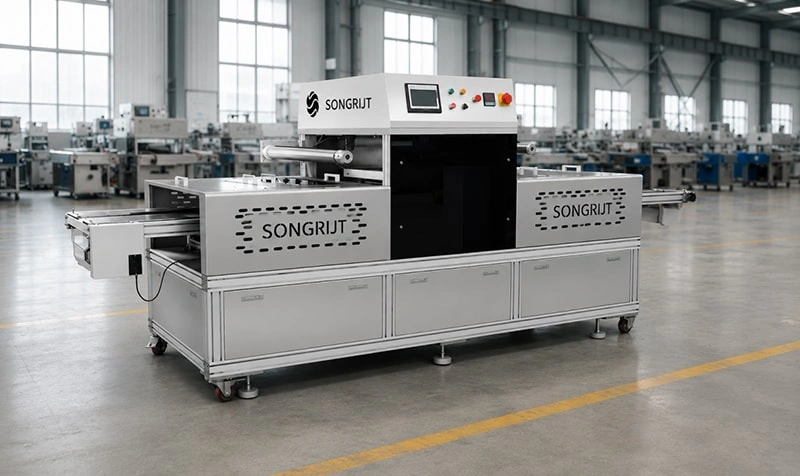
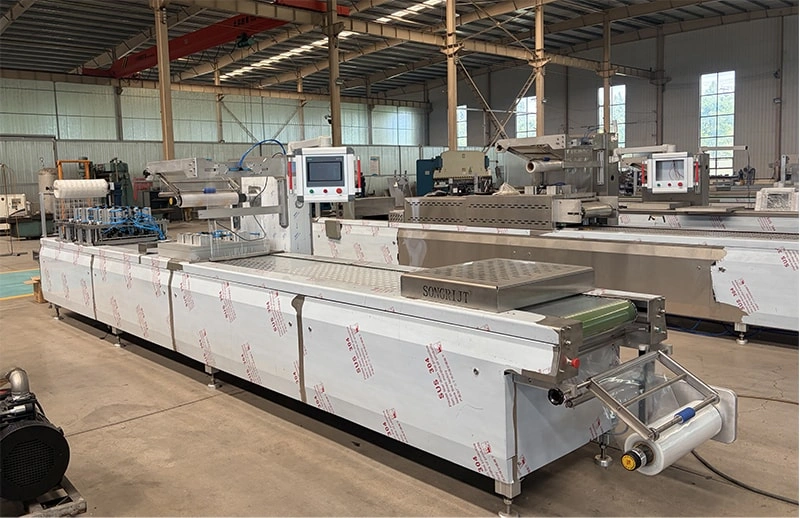
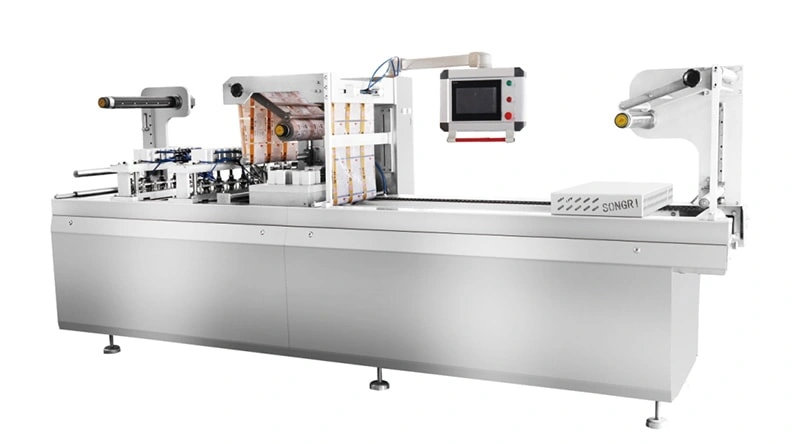
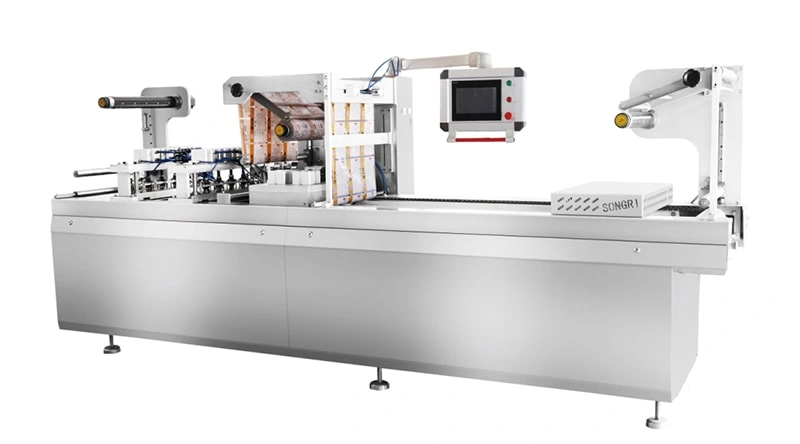
If you're exploring packaging options, you'll quickly come across two terms that seem similar but work quite differently: MAP packaging and vacuum packaging. Both are designed to extend shelf life and protect products, especially in the food industry. But the way they achieve that—and where each one works best—can vary quite a bit.
Understanding the difference isn't just a technical detail. It can directly affect product quality, customer experience, and even your operational costs.
A Simple Way to Understand the Core Difference
At the most basic level, the difference comes down to what happens to the air inside the package.
Vacuum packaging removes air completely before sealing. The goal is to eliminate oxygen, which slows down spoilage and oxidation.
MAP, or Modified Atmosphere Packaging, takes a different approach. Instead of removing all the air, it replaces it with a carefully controlled mix of gases—usually carbon dioxide, nitrogen, and sometimes oxygen—depending on the product.
Both methods aim to preserve freshness, but they go about it in very different ways.
How Vacuum Packaging Works in Practice
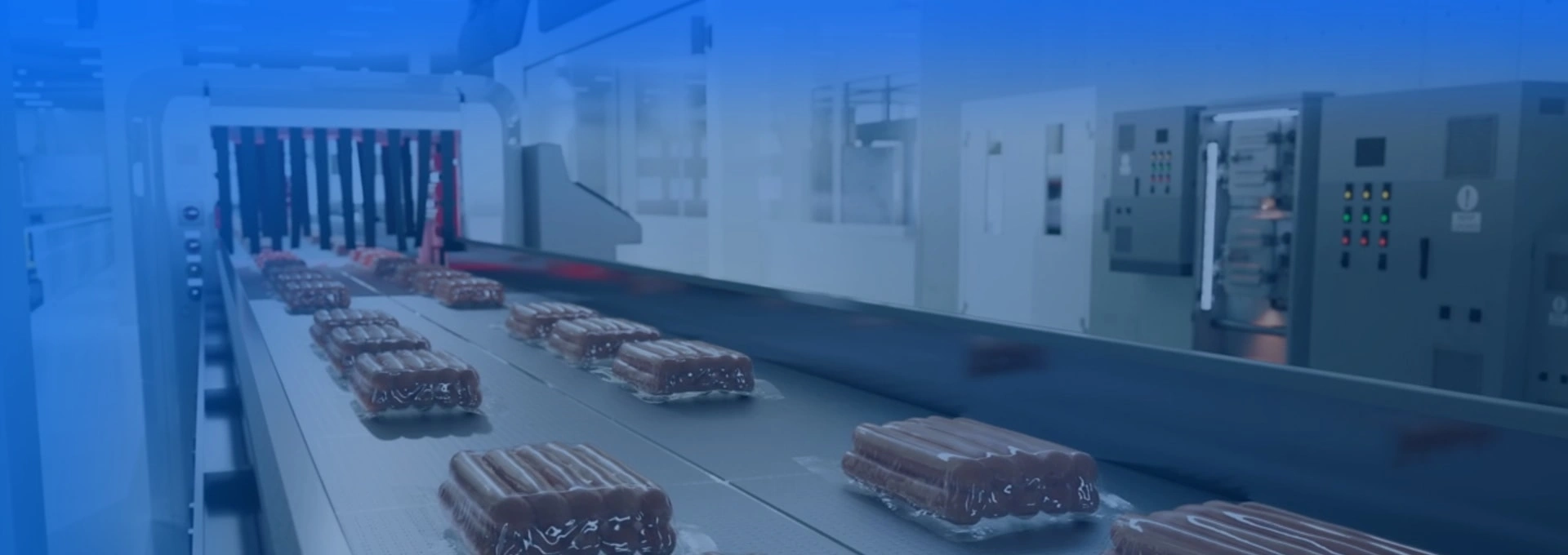
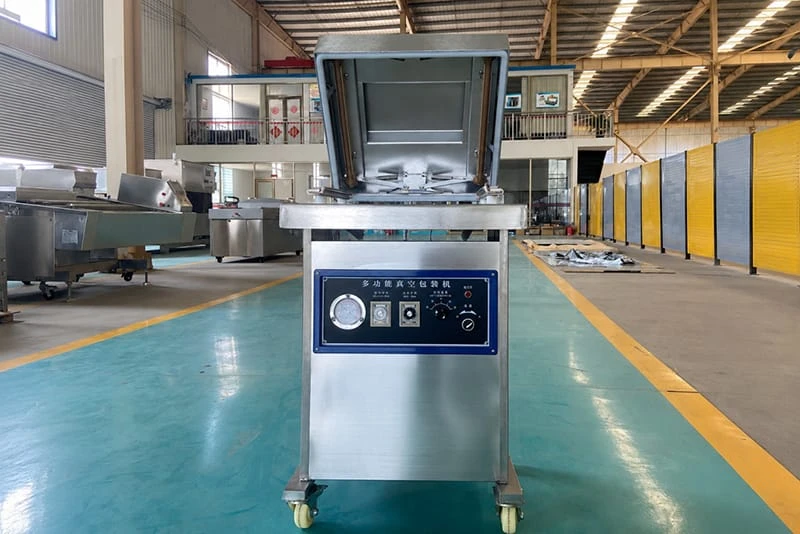
With vacuum packaging, the process is straightforward. The product is placed inside a bag or chamber, the air is removed, and the package is sealed tightly. This creates a low-oxygen environment that significantly slows bacterial growth.
Because there's no air left inside, the packaging forms closely around the product. This is why vacuum-packed items often look tightly compressed.
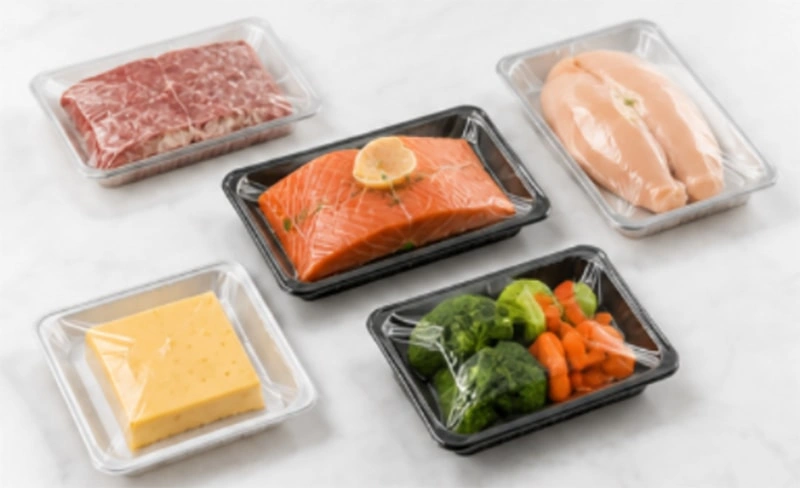
For products like meat, cheese, or seafood, this works extremely well. The lack of oxygen helps maintain freshness, and the tight seal protects against external contamination.
How MAP Packaging Handles Preservation
MAP packaging is more controlled and a bit more sophisticated. Instead of removing air entirely, it introduces a specific gas mixture tailored to the product.
For example, carbon dioxide can slow microbial growth, while nitrogen helps maintain package shape. In some cases, a small amount of oxygen is even retained to preserve color, especially in red meat.
The result is a package that looks more natural and less compressed. Products sit in a more “relaxed” state inside the tray, which can be important for presentation and texture.
The Impact on Product Appearance
One of the most noticeable differences between the two methods is how the final product looks.
Vacuum packaging creates a tight, compact appearance. This is great for storage and transport, but it can sometimes affect how the product is perceived, especially in retail settings.
MAP packaging, on the other hand, allows products to maintain their original shape. Fresh produce, salads, and ready meals tend to look more appealing because they aren't compressed. The packaging feels more spacious and visually balanced.
This is one reason why MAP is commonly used in supermarkets, where presentation plays a big role in purchasing decisions.
Shelf Life and Freshness
Both methods extend shelf life, but they do it in slightly different ways.
Vacuum packaging is highly effective at slowing down oxidation. For many products, especially proteins, it can significantly extend storage time. However, because it removes all oxygen, it may not always preserve color in the same way MAP can.
MAP packaging, by adjusting gas composition, can be fine-tuned to suit specific products. It may not always match the absolute shelf-life extension of vacuum packaging for certain items, but it often strikes a better balance between freshness and appearance.
Suitability for Different Products
Choosing between MAP and vacuum packaging often comes down to the nature of the product.
Vacuum packaging works best for solid, dense items that can handle compression. Meat cuts, seafood, cheese, and industrial components all fall into this category. These products benefit from maximum oxygen removal and don't lose value when tightly packed.
MAP packaging is better suited for delicate or structured products. Leafy greens, baked goods, and ready meals need space to maintain their shape. In these cases, MAP provides protection without compromising the product's physical integrity.
Operational Considerations
From a business perspective, there are also practical differences to consider.
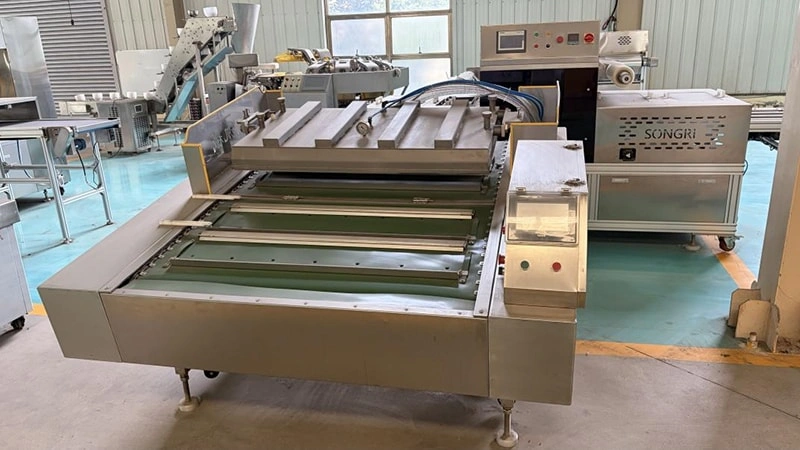
Vacuum packaging systems are generally simpler. They don't require gas management systems, which can make them easier to operate and maintain. This simplicity often translates into lower costs over time.
MAP systems, while more flexible, involve additional components for gas mixing and control. This adds complexity but also allows for more customization, which can be valuable for certain product lines.
Which one should you choose?
There's no one-size-fits-all answer here. The better option depends on what matters most for your product.
If your priority is maximum shelf life, strong protection, and efficient storage, vacuum packaging is often the better choice. It's reliable, widely used, and effective across many industries.
If presentation, product structure, and visual appeal are more important, MAP packaging may be the way to go. It offers a more refined look while still providing good preservation.
A Balanced Approach
In many modern packaging operations, it's not about choosing one over the other. Businesses often use both methods for different product lines. For example, vacuum packaging might be used for bulk storage or transport, while MAP is used for retail-ready products.
This kind of flexibility companies allows to get the best of both worlds—efficiency behind the scenes and strong presentation on the shelf.
Final Thoughts
MAP and vacuum packaging are both powerful tools, but they serve slightly different purposes. One focuses on removing air entirely for maximum preservation, while the other carefully controls the environment to balance freshness and appearance.
When you look at it from a practical standpoint, the choice becomes clearer. It's less about which method is better overall and more about which one fits your product, your process, and your market.
Getting that match right can make a noticeable difference, not just in how your product lasts, but in how it performs in the real world.
 LANGUAGE