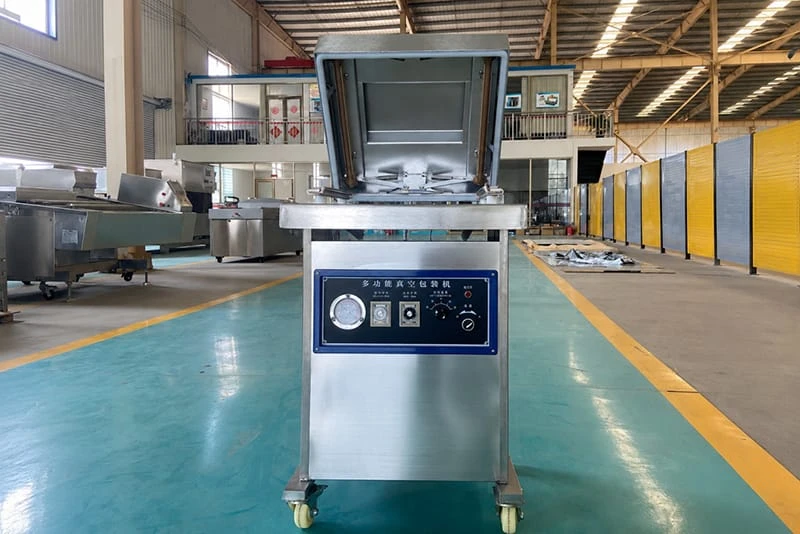
Welcome to visit our factory at any time !
 LANGUAGE


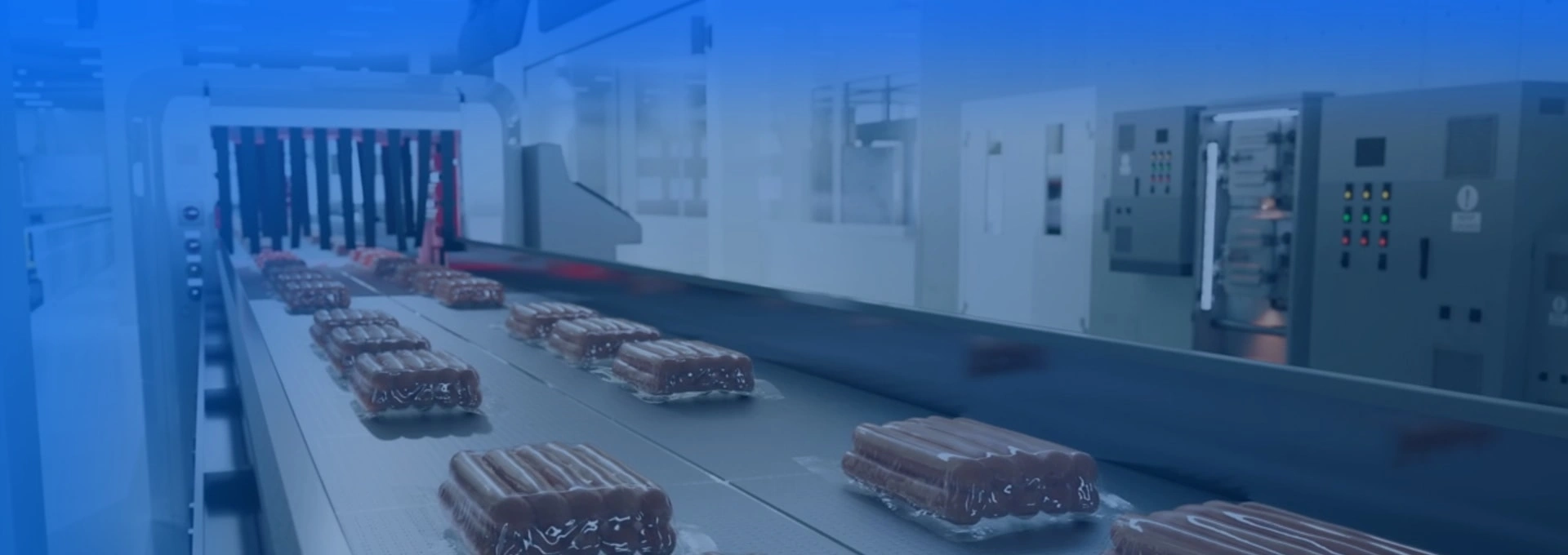
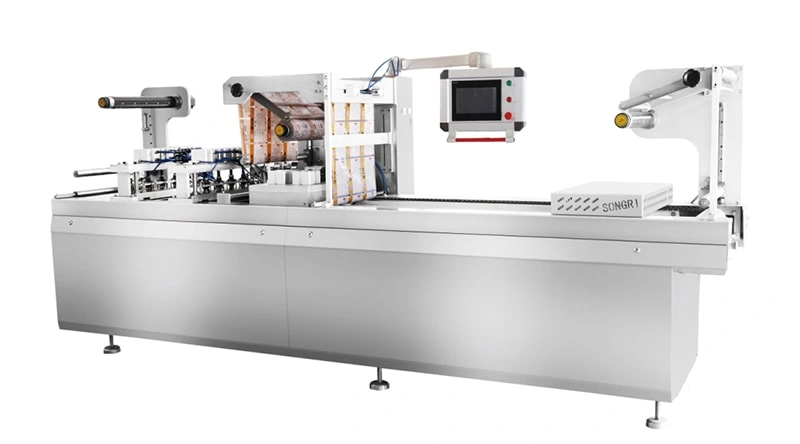
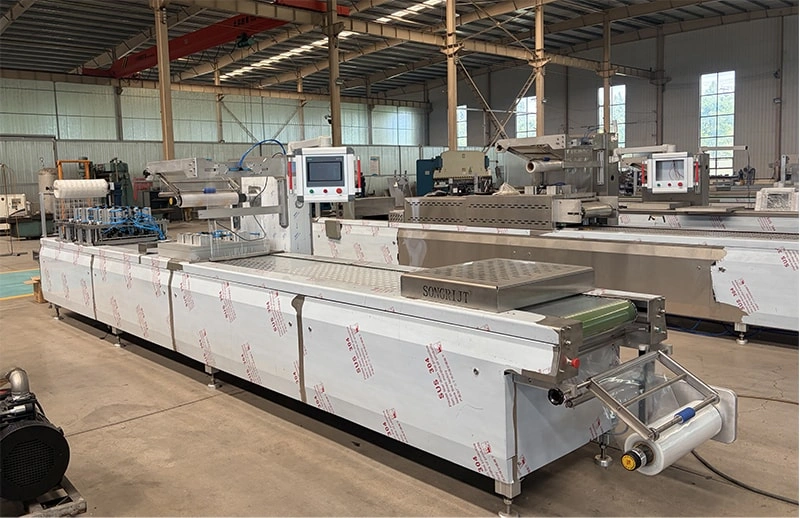
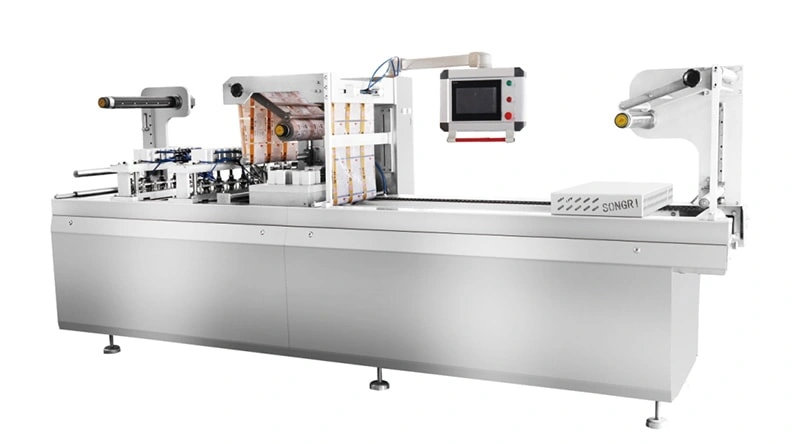
Across numerous industries, including food, pharmaceuticals and electronics, fully automatic stretch film vacuum packaging machines have become essential equipment for ensuring product quality and extending shelf life, thanks to their high-efficiency and precise packaging capabilities. However, during continuous operation, certain components are prone to wear and tear due to frequent mechanical movement, exposure to high temperatures, or friction caused by contact with materials. The condition of these wear-prone parts directly affects the machine’s operational efficiency, packaging quality and even its service life. Therefore, gaining a comprehensive understanding of the types of these wear-prone parts, the causes of wear and tear, and maintenance methods is of great significance for businesses in maintaining production continuity and reducing operational costs. The following provides a detailed analysis of the main wear-prone parts in fully automatic stretch film vacuum packaging machines.
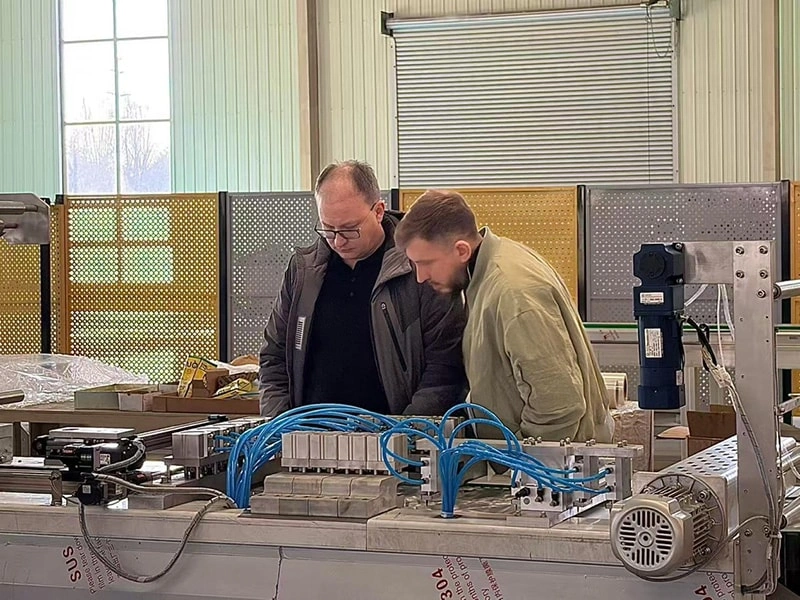
Heating Elements
Heating elements play a crucial role in sealing within fully automatic stretch film vacuum packaging machines. During prolonged continuous operation, the heating wires are subject to oxidation due to high temperatures, which increases their resistance, reduces heating efficiency, and may ultimately lead to burnout. Heating strips are also prone to wear and deformation due to frequent contact with packaging materials under the combined effects of high temperature and pressure. When heating elements malfunction, packaging seals may become loose or fail to seal properly, severely compromising packaging quality. To effectively extend the service life of heating elements, operating temperatures and durations must be strictly controlled to prevent prolonged exposure to high temperatures and overload conditions. Additionally, regular and thorough inspections of the heating elements are essential; should any signs of oxidation, wear or deformation be detected, they must be replaced promptly.
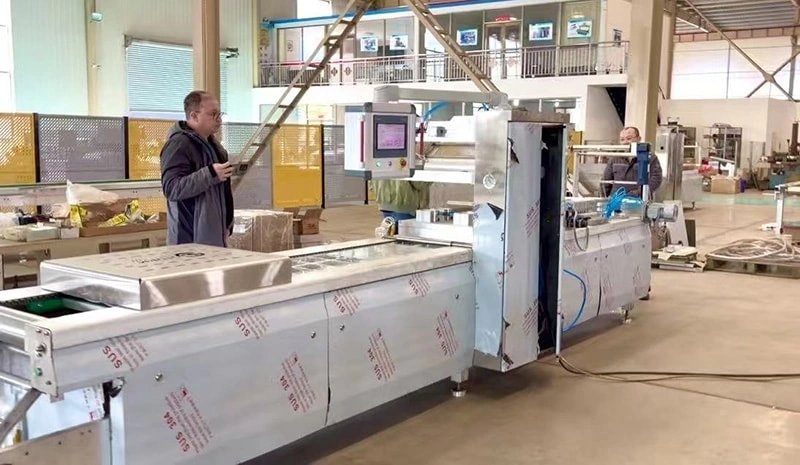
Packaging Film Conveyor and Forming Components
Conveyor Chains and Sprockets: During the packaging process, the conveyor chains and sprockets are responsible for accurately conveying the packaging film to each workstation. Due to prolonged operation under high loads, the chains and sprockets are subjected to significant friction, leading to chain pitch elongation and sprocket tooth wear. Should this occur, the conveyance of the packaging film will become unstable, manifesting as uneven conveyance speeds and jamming; in severe cases, it may even cause the packaging film to tear. The tension of the chain and the wear on the sprockets must be checked regularly, with adjustments or replacements carried out as necessary.
Forming Dies: Forming dies are used to heat and stretch the packaging film into specific container shapes. During frequent heating, cooling and friction with the packaging film, the die surface is prone to wear and scratches. This affects the precision and quality of the film forming process, leading to issues such as inaccurate dimensions and uneven wall thickness in the finished packaging containers. To protect the forming moulds, it is essential to ensure that the packaging film meets quality requirements, thereby preventing damage to the moulds caused by film that is too rigid or contains impurities. Should the moulds suffer severe wear or damage, they must be repaired or replaced promptly.
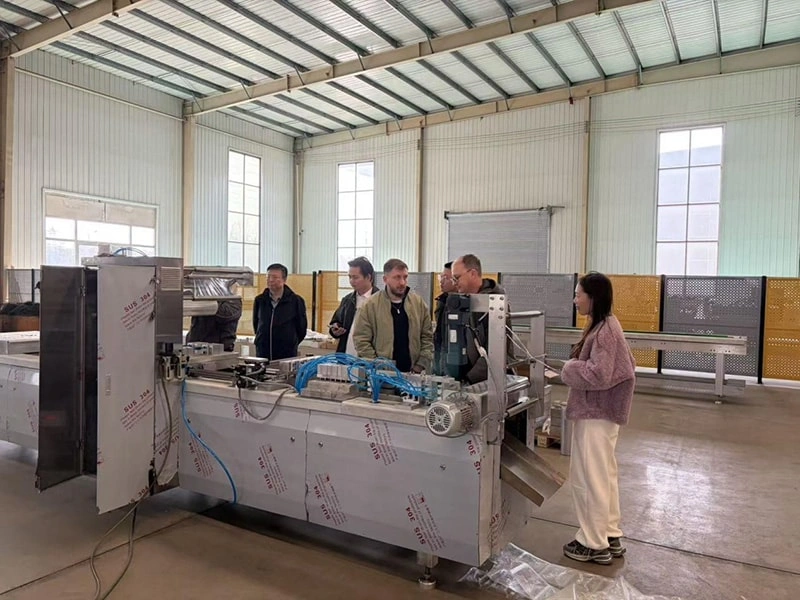
Vacuum Chamber Sealing Components
Sealing Strips: The sealing strips of the vacuum chamber are key components in ensuring its sealing performance. During each vacuum and venting cycle, the sealing strips are subjected to pressure and experience friction with materials such as the packaging film. As the number of uses increases, the sealing strips gradually age, harden and lose their elasticity, leading to poor sealing and an inability to maintain vacuum levels. Generally, silicone sealing strips should be replaced every 3–6 months, though the exact interval depends on the frequency of use and the operating environment. When replacing sealing strips, select products compatible with the equipment model and ensure they are installed correctly to guarantee a reliable seal.
Silicone Pads: Silicone pads are typically used at heat-sealing points to assist with sealing, ensuring a flat and secure seal. Silicone pads are subject to repeated use in high-temperature, high-pressure environments and are prone to wear and deformation. Once a silicone pad becomes severely worn, the sealing area may become uneven and fail to seal properly, compromising both the aesthetic appeal and the integrity of the product packaging. Generally, the service life of a silicone pad is around 6 months; when significant wear or deformation is observed, it must be replaced promptly.
Cutting Components
Cutting Blade: The cutting blade is responsible for separating the product after vacuum packaging is complete. During frequent cutting operations, the blade’s edge gradually wears down and becomes blunt, leading to uneven cuts, irregular edges and film adhesion. This not only affects the appearance of the product packaging but may also result in wastage of packaging film. To maintain the sharpness of the cutting blade, it must be sharpened or replaced regularly.
Understanding these wear-prone components of fully automatic stretch film vacuum packaging machines and carrying out appropriate maintenance and replacement work can effectively reduce equipment failures, improve operational efficiency, and ensure product packaging quality.



Copyright © 2026 by Shandong Songri Machinery Co., Ltd. All Rights Reserved
Privacy Policy | Sitemap Designed by HUISHANG