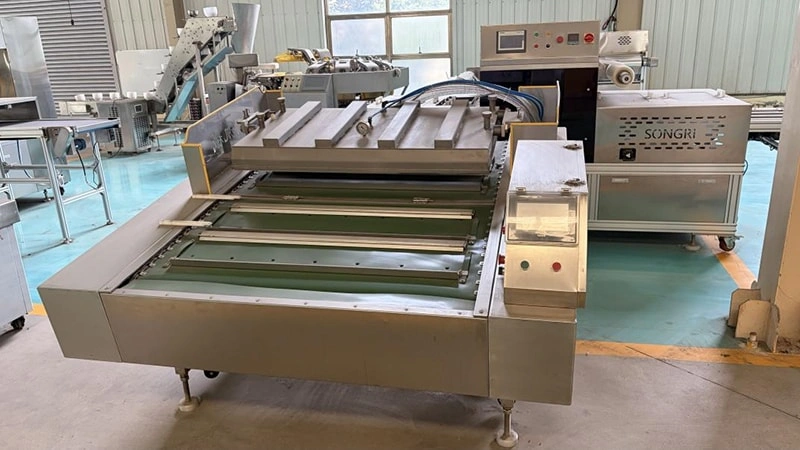
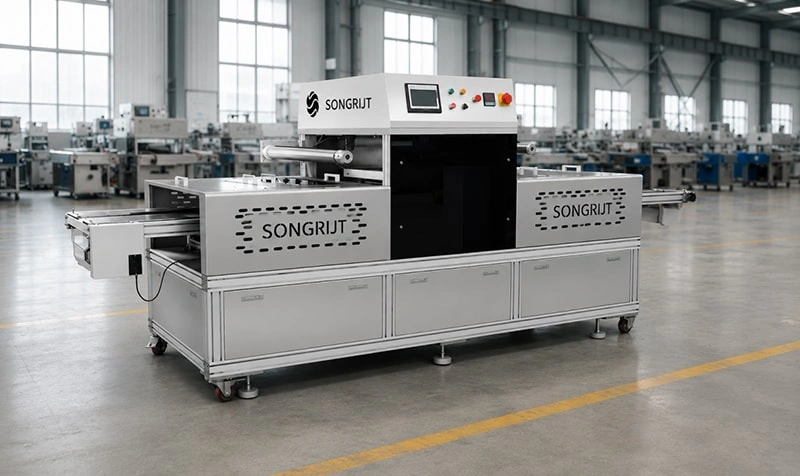
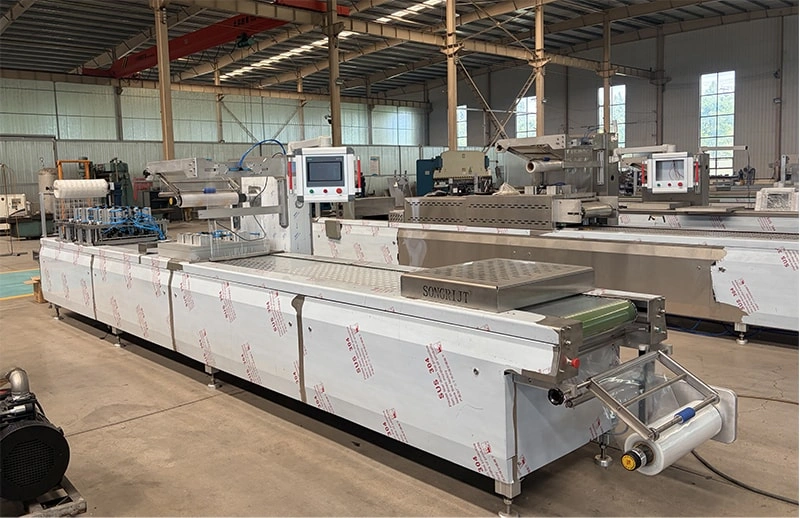
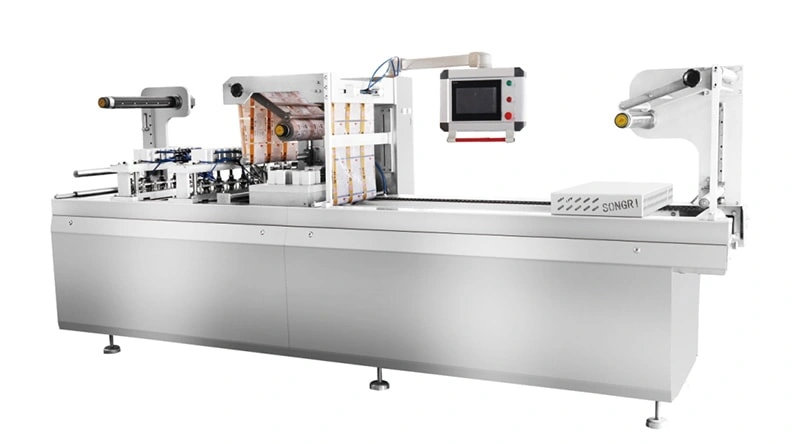
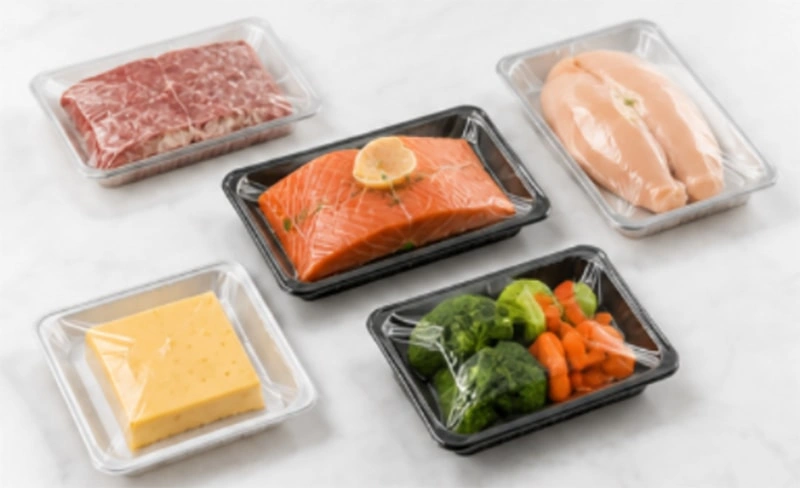
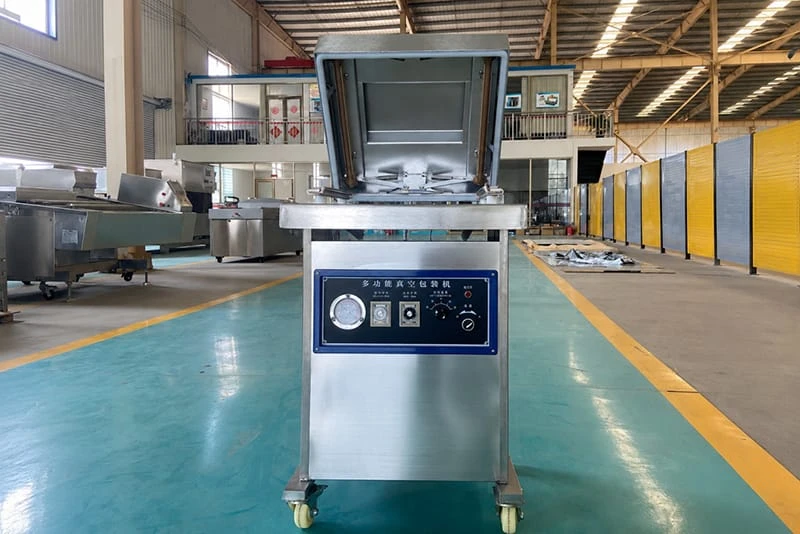
Tray sealing has become a familiar sight in modern packaging, especially in the food industry. From ready meals and fresh produce to meat and dairy products, sealed trays are everywhere. There's a reason for that. Tray sealer machines offer a balance between product protection, presentation, and efficiency that's hard to achieve with many other packaging methods.
If you're considering packaging options for your business, it's worth taking a closer look at what tray sealers actually bring to the table—not just in theory, but in everyday operations.
A More Practical Way to Package Food
One of the biggest strengths of tray sealing is how naturally it fits into real-world production. Instead of forcing products into bags or rigid containers, trays allow items to sit in a stable, organized way. This is especially useful for foods that need to maintain their shape, like ready meals, fresh cuts of meat, or bakery items.
Once the product is placed in the tray, the machine seals it with a film that locks everything in place. The result is packaging that looks clean, feels secure, and is easy to handle throughout the supply chain.
Stronger Product Protection Without Compromise
Tray sealer machines do more than just close a package—they create a controlled environment inside it. When combined with technologies like modified atmosphere packaging (MAP), they can significantly slow down spoilage by adjusting the gas composition inside the tray.
This is particularly valuable for perishable goods. Fresh produce stays vibrant for longer, meat retains its color and texture, and ready meals maintain their quality during storage and transport. At the same time, the rigid tray structure protects the product from external pressure, something that flexible packaging methods often struggle with.
Better Shelf Appeal in Retail Environments
Walk into any supermarket, and you'll notice how much packaging influences buying decisions. Tray-sealed products tend to stand out because they offer both visibility and structure. Clear films allow customers to see the product, while the tray keeps everything neatly presented.
This combination makes a difference. Products don't shift around, sauces don't spread unevenly, and everything looks as it should. For brands, this translates into stronger shelf presence and a more professional image.
Flexibility Across Different Product Types
Another reason tray sealers are widely used is their flexibility. The same machine can often handle a variety of tray sizes, materials, and product types with minor adjustments. Whether you're packaging fresh vegetables, cooked meals, or protein products, tray sealing can adapt to different requirements.
This flexibility is particularly useful for businesses that offer multiple product lines. Instead of investing in separate systems for each type of product, a tray sealer can handle a broad range of applications.
Efficiency That Supports Growing Production
In a production environment, speed and consistency matter. Tray sealer machines are designed to keep up with demand, whether you're running small batches or large-scale operations. Automated systems can seal trays quickly while maintaining uniform quality across every pack.
Over time, this consistency reduces errors, minimizes rework, and keeps production flowing smoothly. For businesses looking to scale, having a reliable packaging process is just as important as the product itself.
Reduced Waste and Better Portion Control
Tray sealing also helps with portion management. Products can be measured and placed into trays with precision, ensuring consistency from one pack to the next. This is especially important for ready meals and pre-portioned food items.
At the same time, the sealed environment reduces the chances of contamination or spoilage, which means fewer products are wasted before they reach the customer. In industries where margins can be tight, this kind of efficiency adds up quickly.
Where do Tray Sealers Work Best?
Tray sealer machines are particularly well-suited for:
- Ready-to-eat meals
- Fresh meat and poultry
- Seafood
- Dairy products
- Fresh fruits and vegetables
In all of these cases, maintaining product structure and presentation is just as important as preserving freshness. Tray sealing manages to do both.
Are there any limitations?
Like any packaging method, tray sealing isn't perfect for every situation. Compared to vacuum packaging, it may not always achieve the same level of shelf-life extension unless combined with MAP technology. It can also involve slightly higher material costs due to the use of trays and films.
However, for many businesses, the added benefits in presentation, protection, and versatility outweigh these considerations.
Final Thoughts
Tray sealer machines have become a go-to solution because they strike a practical balance. They protect products without compressing them, present them in a way that appeals to customers, and support efficient production processes behind the scenes.
Rather than replacing other packaging methods, tray sealing complements them. In many operations, it works alongside vacuum packaging and other systems to handle different types of products effectively.
If your focus is on delivering products that look good, stay fresh, and move efficiently through the supply chain, tray sealing is not just an option—it's often one of the smartest choices you can make.
 LANGUAGE