When it comes to packaging, there isn't a single solution that works for every product. What works perfectly for fresh meat might not be ideal for leafy vegetables, and what suits industrial components may not fit ready-to-eat meals. That said, vacuum packing has quietly become one of the most trusted methods across multiple industries—and for good reason.
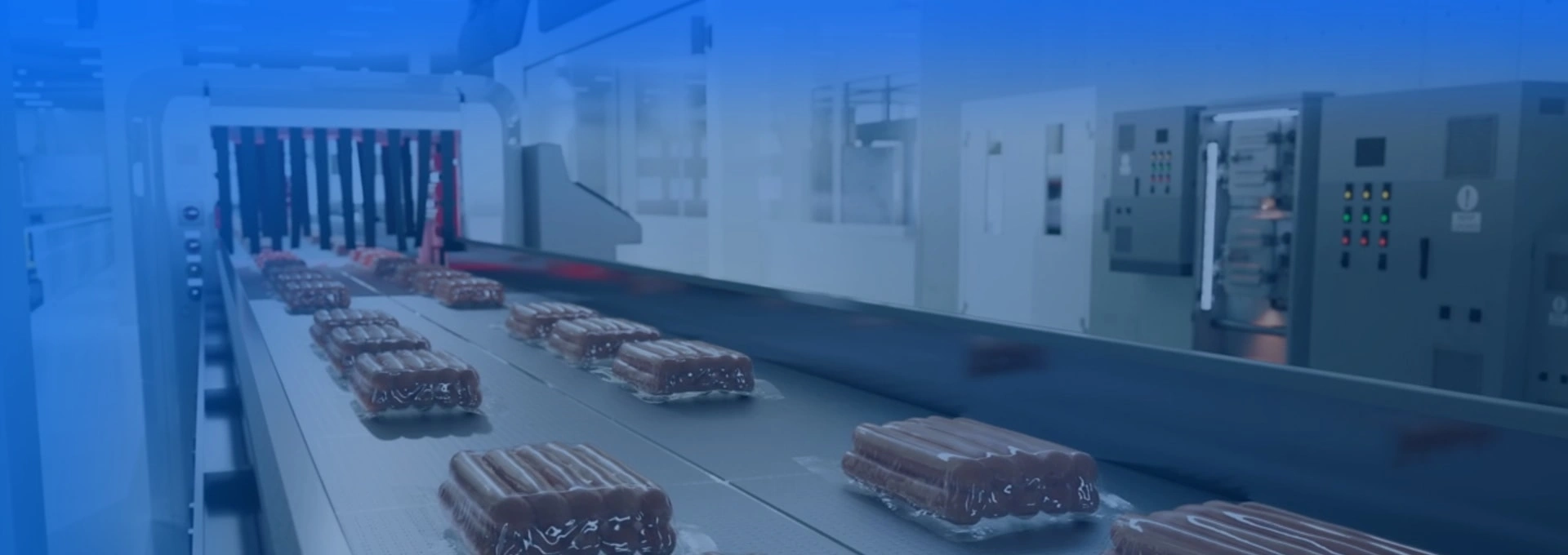
Instead of simply sealing a product inside a bag or container, vacuum packing removes the air before sealing. That small difference changes everything. Oxygen is one of the main reasons products spoil, lose flavor, or degrade over time. By taking it out of the equation, vacuum packaging creates a much more stable environment inside the pack.
But does that make it better than other packaging methods? The answer is a bit more nuanced.
Why Vacuum Packing Stands Out?
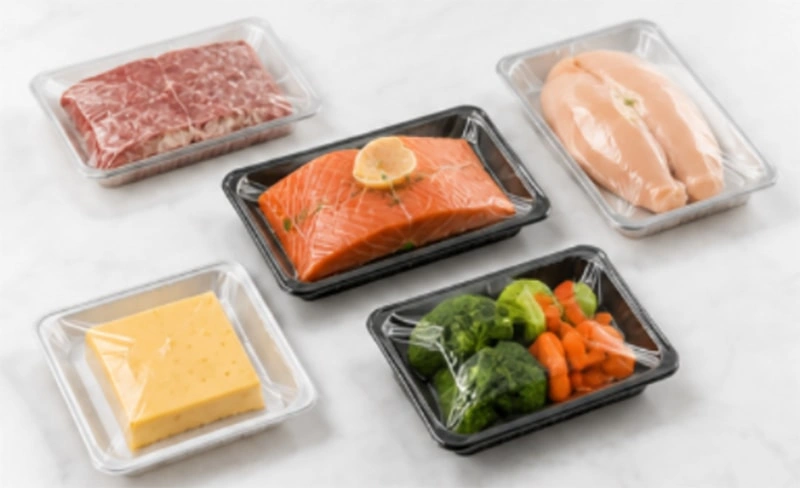
The biggest advantage of vacuum packing is how effectively it slows down spoilage. In food processing, this directly translates to longer shelf life. Meat stays fresh for longer, seafood retains its texture, and even prepared meals can maintain quality during storage and transport. For businesses, this means fewer returns, less waste, and more flexibility in distribution.
Beyond food, the same principle applies to non-food products. Electronics, for example, benefit from reduced exposure to moisture and oxidation. Medical equipment can be stored in a more controlled environment. In both cases, vacuum packaging adds a layer of protection that simple sealing just cannot provide.
There's also a practical side to it. Because the air is removed, packaging becomes tighter and more compact. This might seem like a small detail, but in logistics, it makes a noticeable difference. More products can be stored in the same space, shipping becomes more efficient, and handling is easier overall.
How It Compares to Other Methods?
Traditional sealing, where products are packed with air inside, is still widely used because it's simple and inexpensive. However, it offers very little protection in the long run. Products exposed to oxygen deteriorate faster, which makes this method suitable mostly for short-term use or non-sensitive items.
Modified Atmosphere Packaging, often referred to as MAP, takes a different approach. Instead of removing air completely, it replaces it with gases that help preserve freshness. This works particularly well for delicate items like salads or bakery products that might get damaged under vacuum pressure. While MAP can extend shelf life, it usually involves more complexity and cost compared to vacuum packing.
Shrink packaging is another common method, especially in retail. It wraps products tightly for a clean appearance, but it doesn't actively protect against spoilage. It's more about presentation and grouping than preservation.
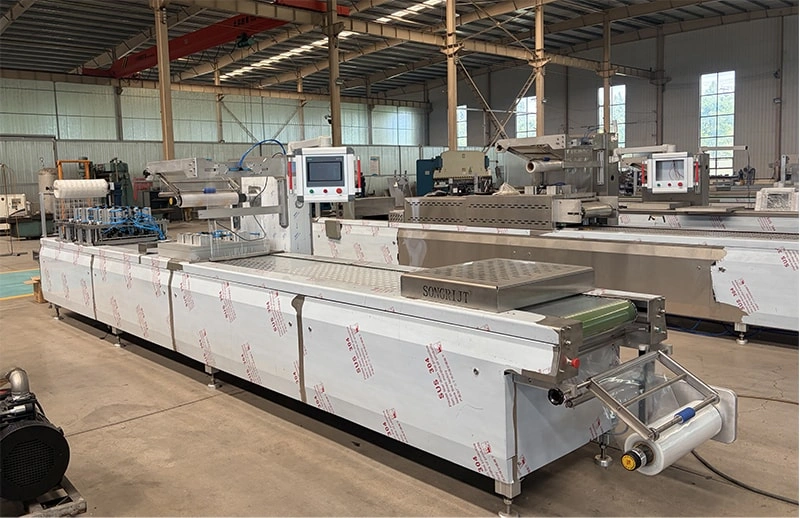
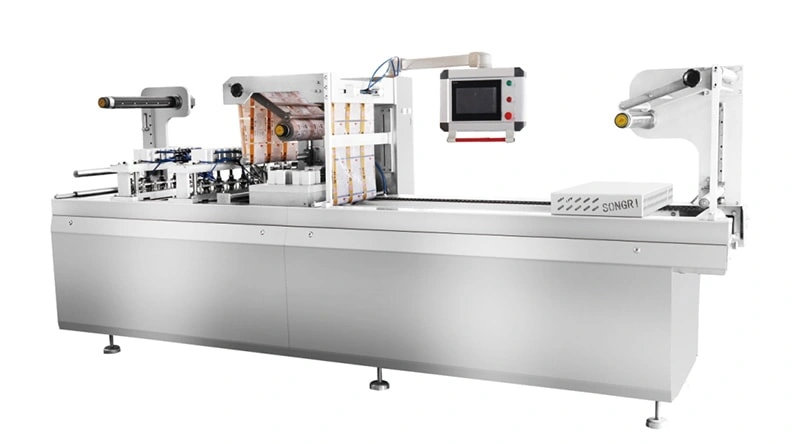
Tray sealing, which is often used for ready meals, sits somewhere in between. When combined with MAP, it can offer both protection and presentation. However, if maximum shelf life is the goal, vacuum packing still tends to have the edge—especially for dense or protein-based foods.
Where Vacuum Packing Works Best?
Vacuum packing really proves its value in industries where freshness and protection are critical. Meat and seafood processing are obvious examples, where even a small extension in shelf life can make a big commercial difference. The same applies to cheese, processed foods, and frozen products.
It also works well for products that can handle compression. Since the air is removed, the packaging tightens around the product. For solid items, this isn't an issue—in fact, it helps maintain structure. But for softer products, it can become a limitation.
Situations Where It May Not Be Ideal?
Vacuum packing isn't perfect for everything. Delicate foods like leafy greens or soft baked goods can lose their shape under pressure. In those cases, methods like MAP or tray sealing are usually more suitable.
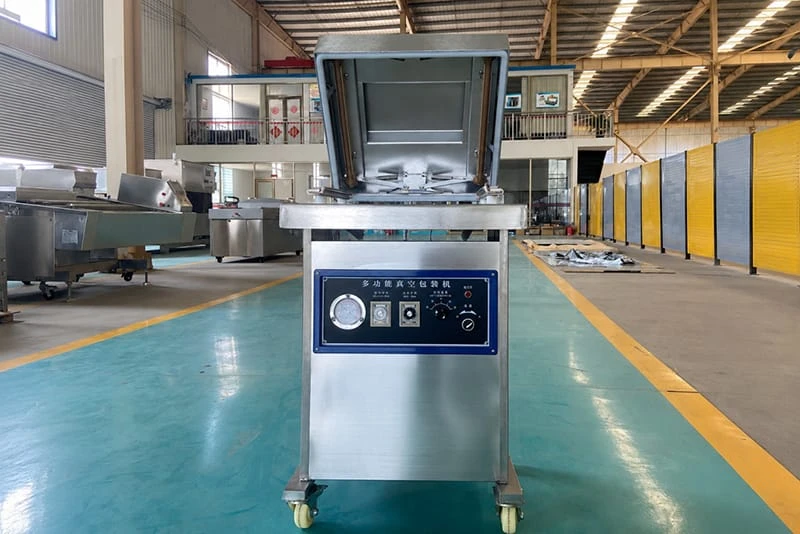
Liquids can also be tricky. Without the right equipment or technique, vacuum sealing liquids can lead to spillage during the process. That's why specialized machines are often used when dealing with soups, sauces, or marinades.
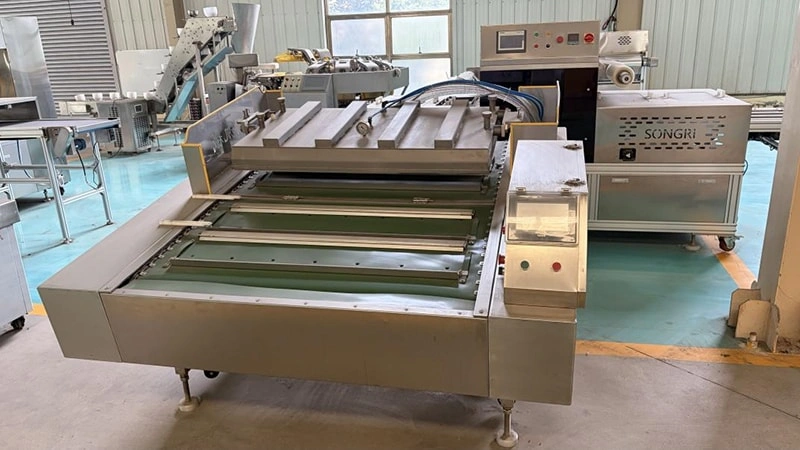
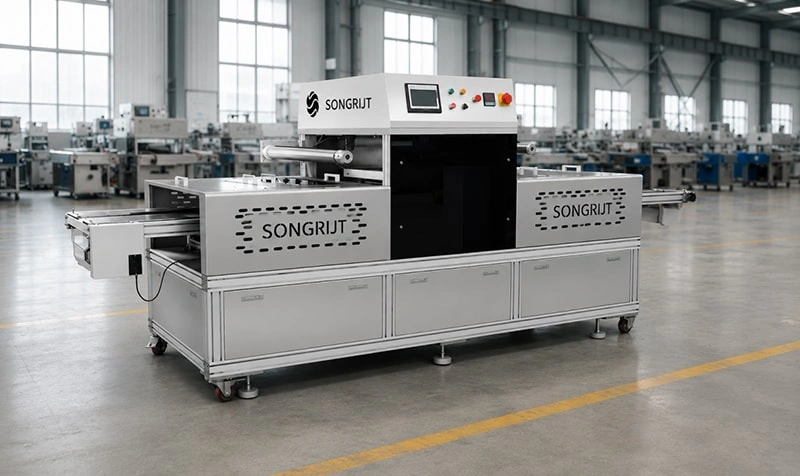
There's also the question of investment. Compared to basic sealing equipment, vacuum packaging machines require a higher upfront cost. However, many businesses find that the long-term savings in reduced waste and improved efficiency easily justify the expense.
So, is vacuum packing better?
In many cases, yes—but not always.
If your priority is extending shelf life, protecting product quality, and improving storage efficiency, vacuum packing is hard to beat. It's reliable, widely applicable, and proven across industries. For products like meat, seafood, and industrial components, it often becomes the go-to solution.
At the same time, other methods still have their place. If presentation is a priority, or if the product is too delicate to handle pressure, alternatives like MAP or tray sealing might be the better choice.
A More Practical Way to Look at It
Rather than thinking in terms of one method being better than another, it's more useful to think in terms of suitability. The right packaging method depends on what you're packing, how long it needs to last, and how it will be transported and displayed.
In many modern production setups, businesses don't rely on just one method. They combine technologies—vacuum packaging for preservation, MAP for delicate items, and automated systems to keep everything efficient. This kind of approach offers flexibility while maintaining consistent quality.
Vacuum packing has earned its place not because it replaces every other method, but because it solves some of the most common and costly problems in packaging. When used in the right context, it doesn't just improve packaging—it improves the entire process around it.
 LANGUAGE