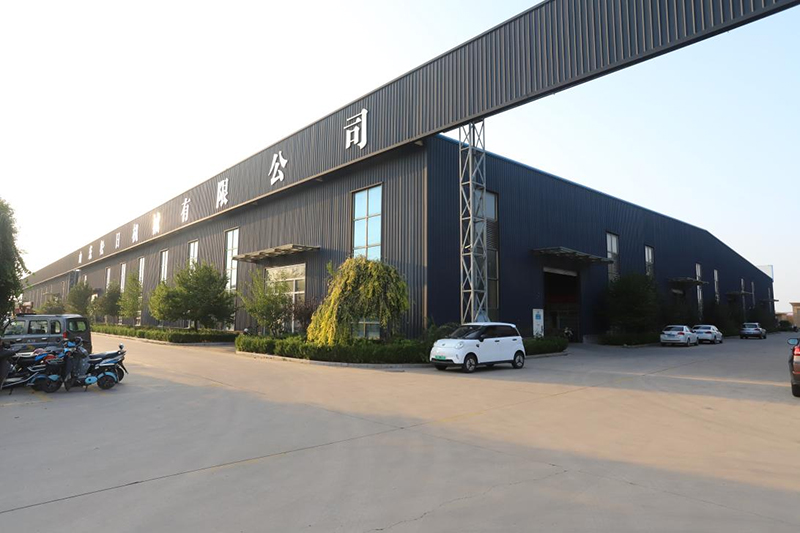
Welcome to visit our factory at any time !
 LANGUAGE


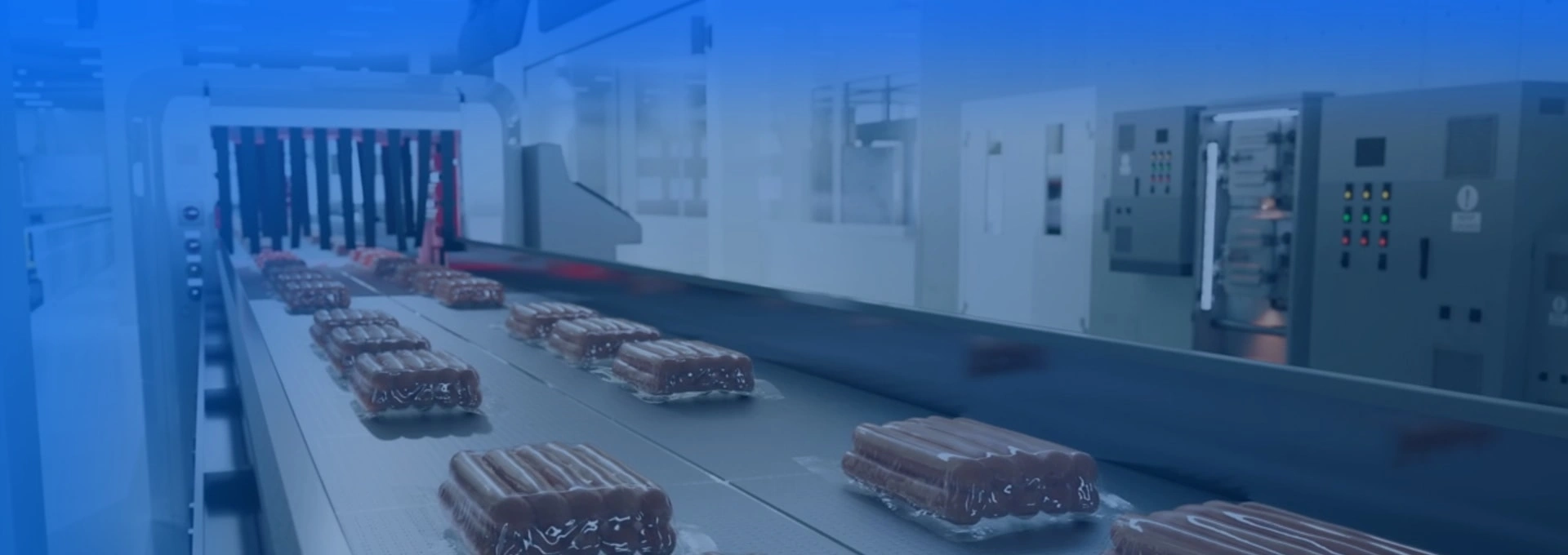
Vacuum Packaging Solutions for Beef Jerky
As a low-moisture, high-fat food with a hard texture and sometimes sharp edges, beef jerky presents specific challenges for vacuum packaging. The primary issues are:
1.Puncture and Leakage: The hard edges or potential bone fragments in products like hand-torn dried beef can pierce the packaging material, compromising the vacuum.
2.Grease Seepage: Fat from the jerky may be expelled during the vacuum process, contaminating the seal area and resulting in an insecure closure.
3.Maintaining High Vacuum: Residual oxygen accelerates fat oxidation, leading to rancidity and off-flavors.
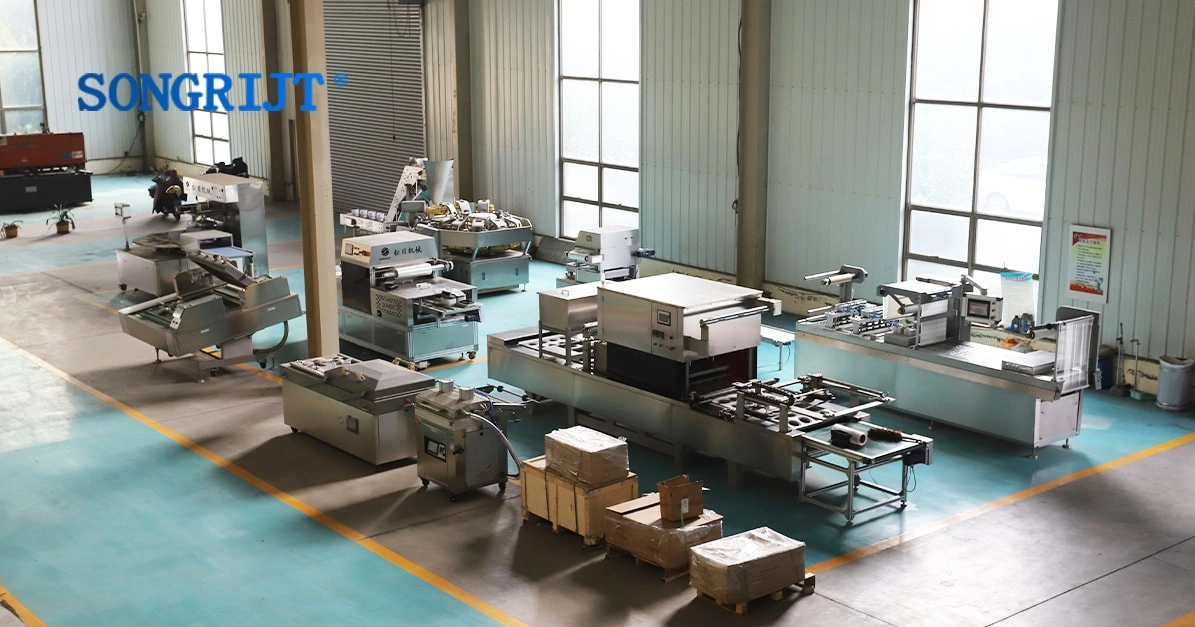
Equipment Recommendations:
Depending on production scale and efficiency requirements, the following types of vacuum packaging machines are recommended:
For Small/Medium Batch & Diverse Forms (Recommended):
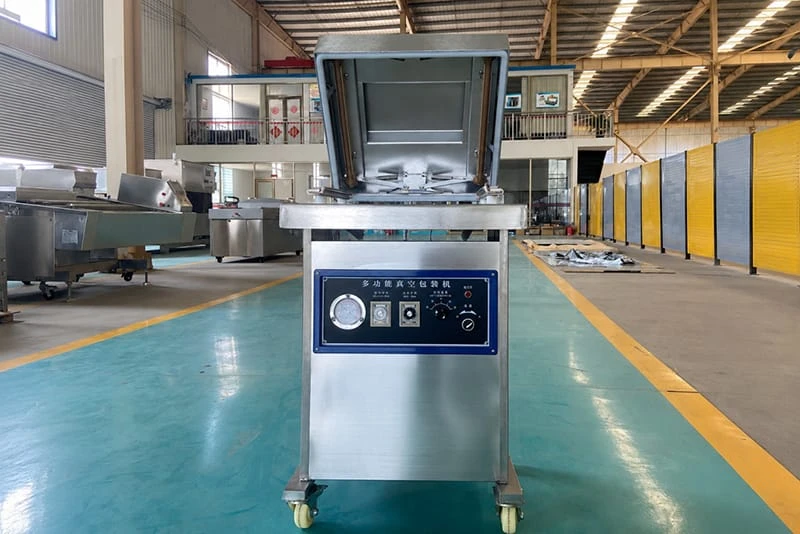
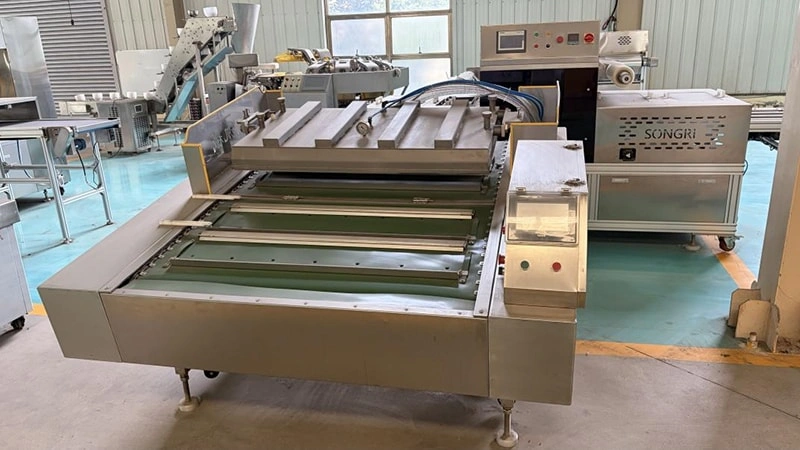
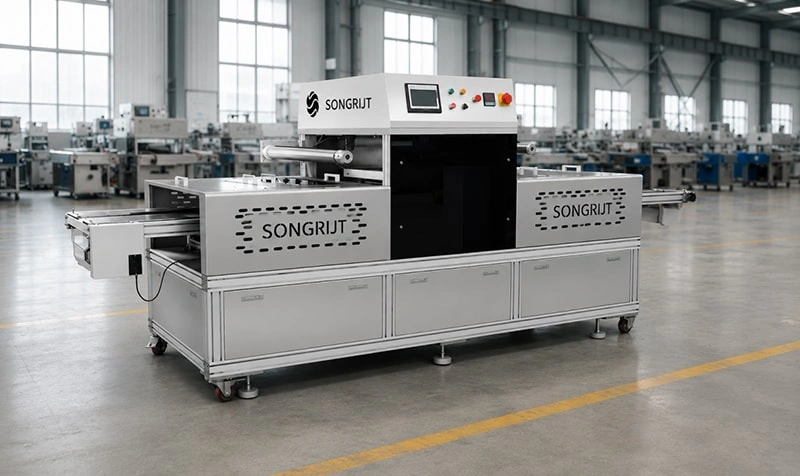
Single-Chamber or Double-Chamber Vacuum Packaging Machines, such as our SR650/SR850 models.
Advantages: These offer operational flexibility and are suitable for packaging products of various sizes and shapes. They are particularly effective for irregularly shaped beef jerky like chunks and strips. The double-chamber model enhances efficiency by allowing loading at one station while the other is under vacuum, enabling continuous operation.
Note: Ensure the sealing length and chamber size of the equipment meet your product specifications.
For Large-Scale Production and Standardized Products:
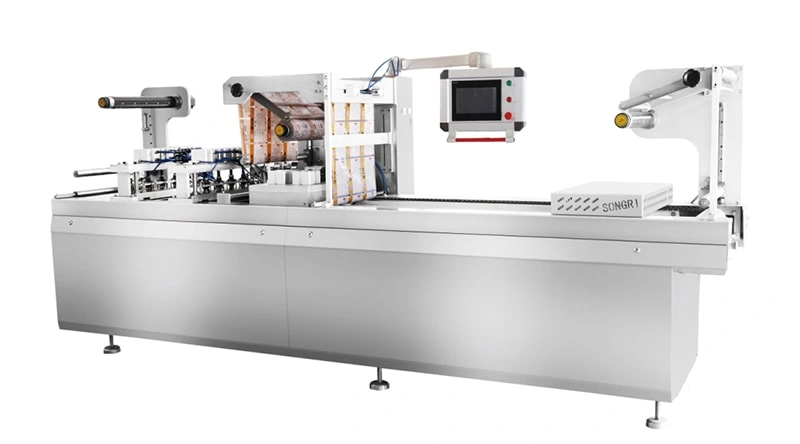
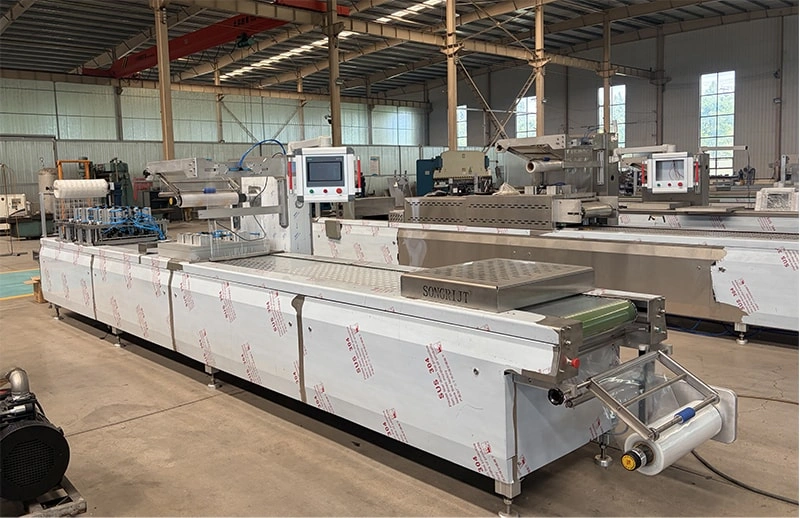
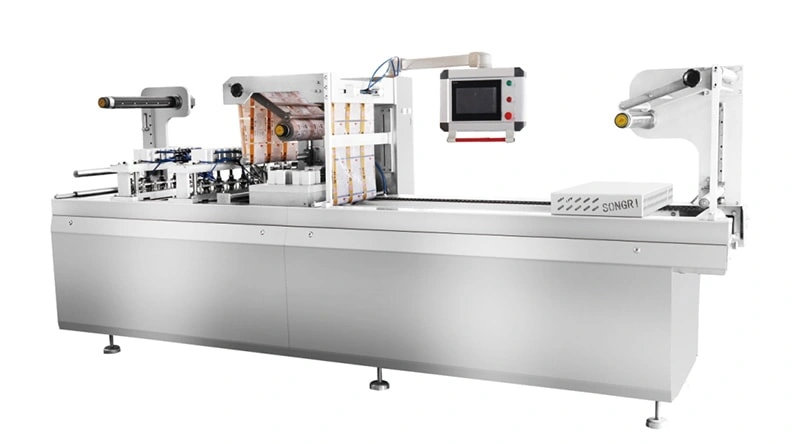
Thermoforming Vacuum Packaging Machines, such as our SR420/SR520 models. These are ideal for uniform, granular, or small-piece beef jerky.
Advantages: They offer a high degree of automation and superior production efficiency. The process—vacuumizing, sealing, and cutting—is fully automated once products are placed on the conveyor.
Note: This type may be less suitable for overly large or highly irregularly shaped jerky.
Process Optimization and Additional Recommendations
Pre-Packaging Handling:
Thorough Cooling: Ensure the beef jerky is completely cooled before packaging to prevent steam formation from residual heat, which can compromise vacuum quality and promote microbial growth.
Remove Sharp Protrusions: Manually or mechanically screen out pieces with excessively sharp edges before packaging to reduce puncture risk.
Proper Placement: Arrange the jerky flat within the bag, avoiding excessive stacking and ensuring sharp corners are not directed toward the seal area.
Adequate Seal Margin: Maintain sufficient distance (typically recommended >3-4 cm) between the product and the bag opening to ensure a clean, flat sealing area.
For premium beef jerky, Modified Atmosphere Packaging (MAP) equipment is a viable alternative. Instead of a full vacuum, the air is removed and replaced with inert gases like nitrogen. This method better preserves the product's original shape—preventing compression—while the nitrogen effectively inhibits oxidation, achieving a similarly extended shelf life.
Current Market Focus
Considering current market trends, thermoforming vacuum packaging machines are the primary recommended solution for beef jerky, representing the optimal choice for both packaging speed and finished package quality.



Copyright © 2026 by Shandong Songri Machinery Co., Ltd. All Rights Reserved
Privacy Policy | Sitemap Designed by HUISHANG