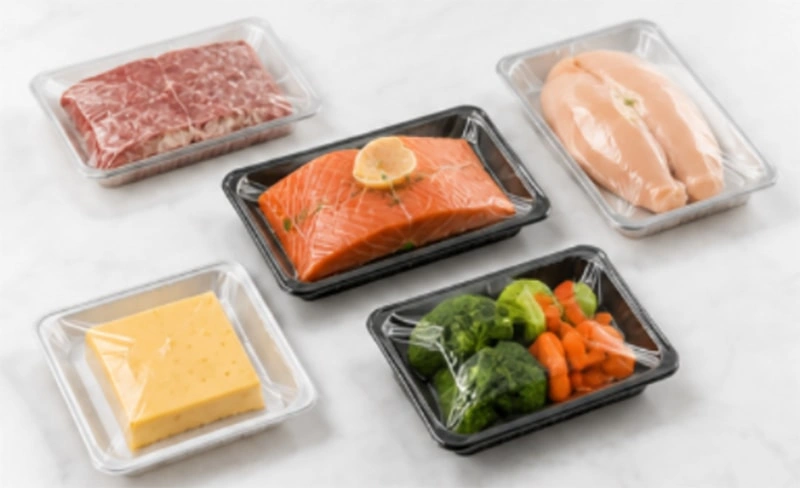
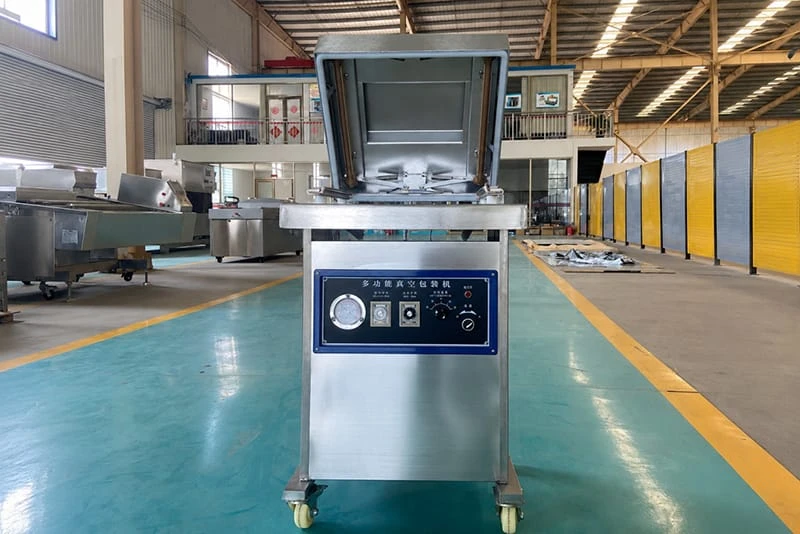
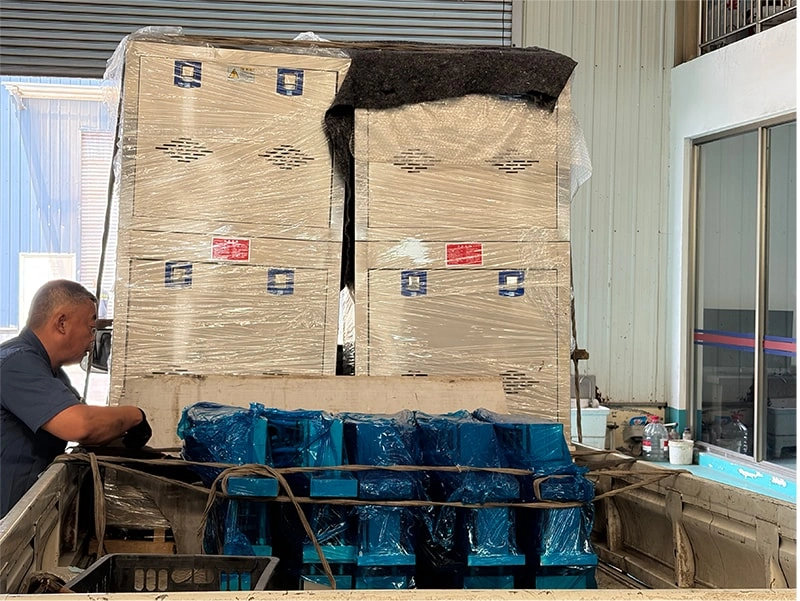
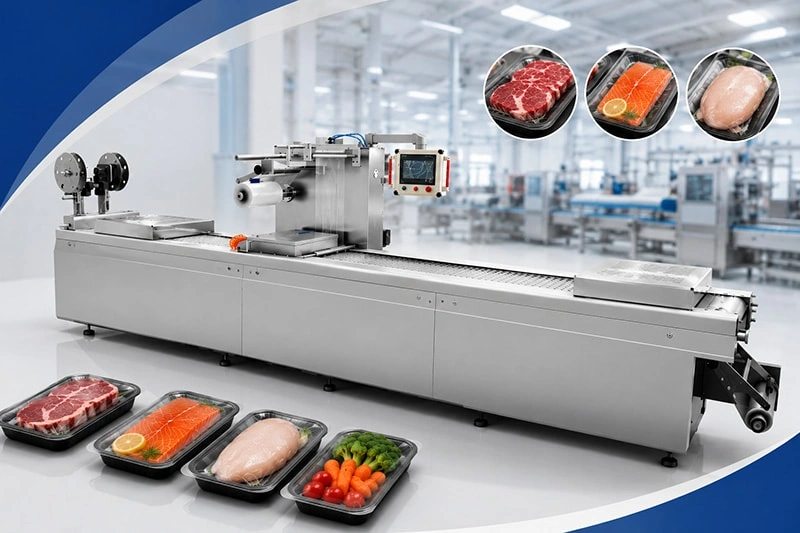
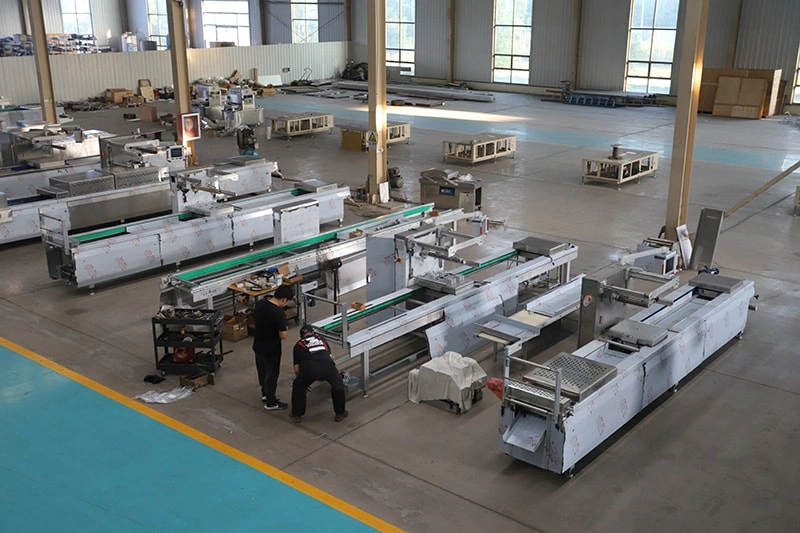
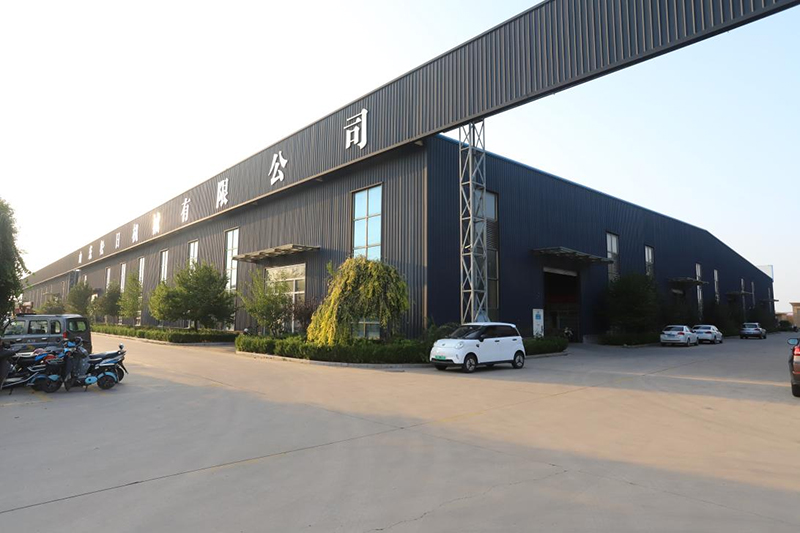
Welcome to visit our factory at any time !
 LANGUAGE


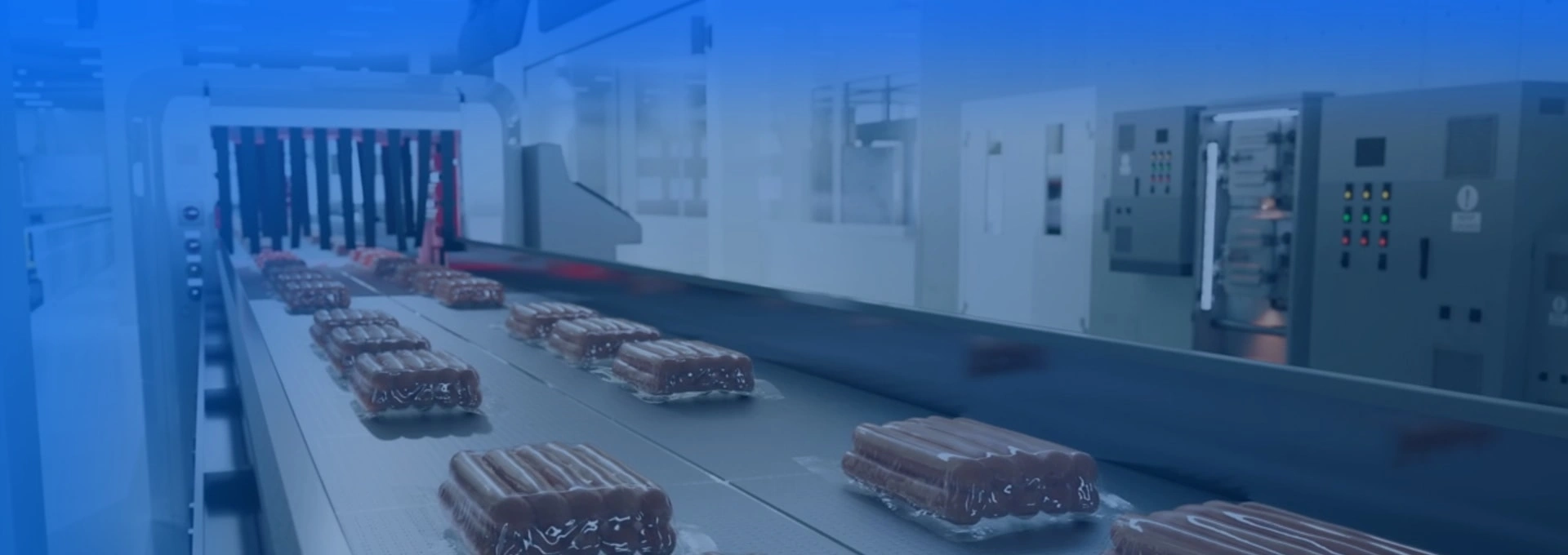
Vacuum level is one of the most critical yet often overlooked factors in thermoforming vacuum packaging. It directly impacts product shelf life, seal integrity, and overall packaging quality.
Vacuum level refers to the amount of air removed from the package before sealing. It is usually measured in mbar (millibar) or as a percentage of air removed.
A lower pressure (higher vacuum) means less oxygen inside the package, which helps preserve the product.
The vacuum level determines how well the product is protected from:
Even small variations can significantly affect the final packaging result.
Not always.
Too much vacuum can sometimes damage product texture, especially for soft or liquid items.
If the vacuum is insufficient:
This often leads to poor product quality and customer dissatisfaction.
Excessive vacuum can cause:
This is why precise control is essential.
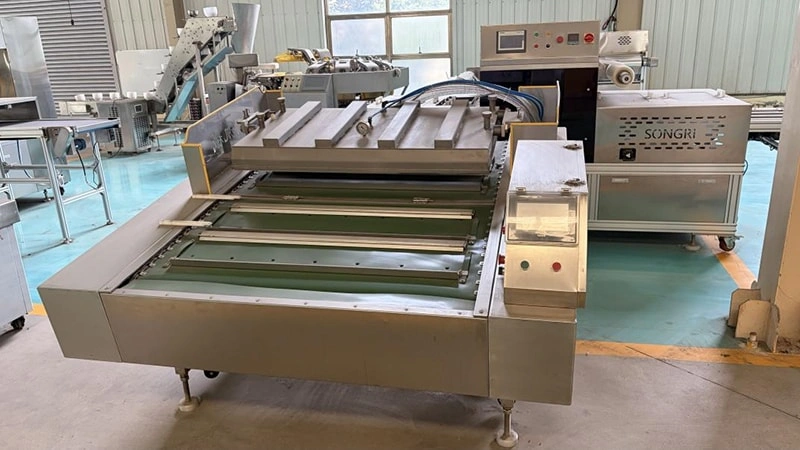
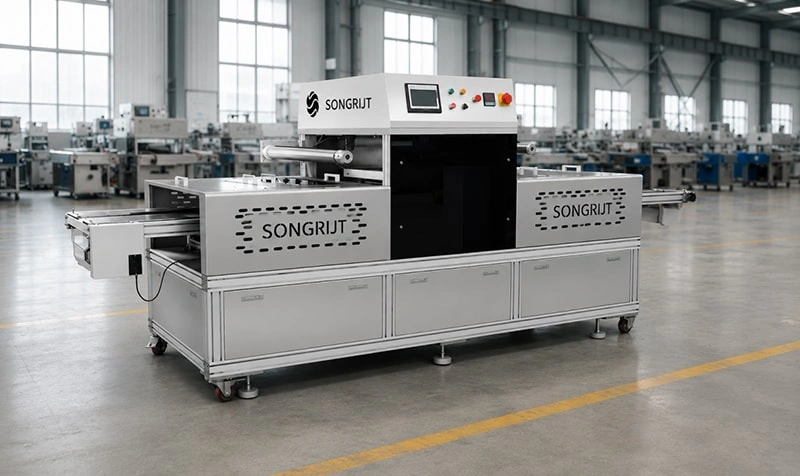
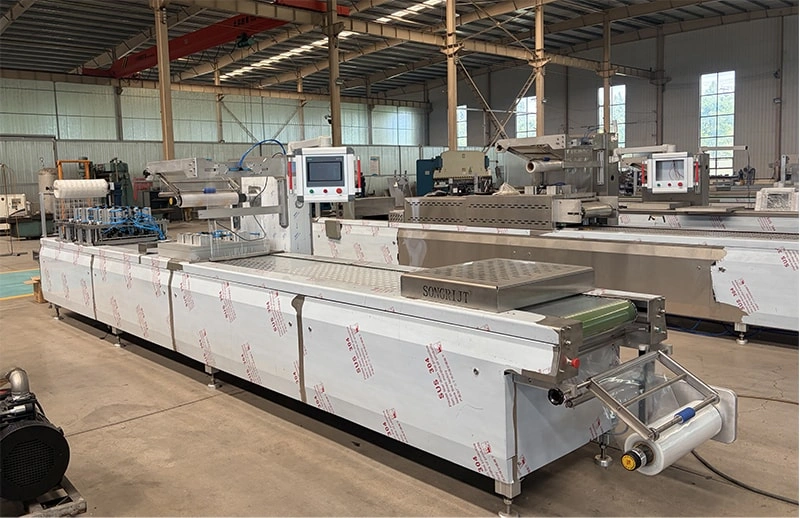
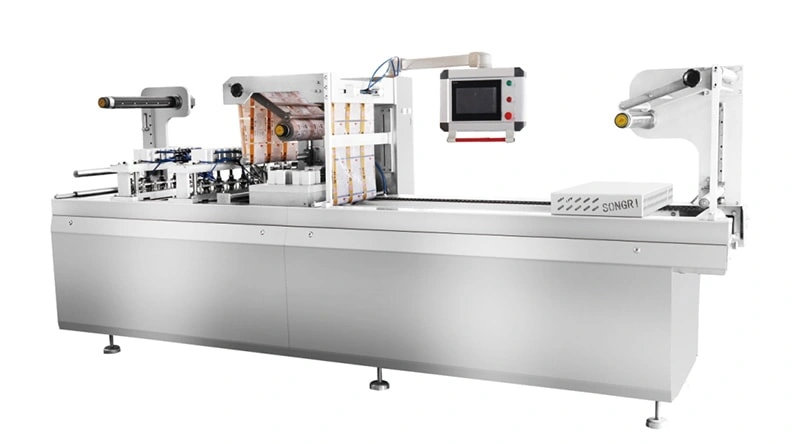
Modern thermoforming vacuum packaging machines use:
This allows operators to fine-tune vacuum levels based on product type.
Yes, many thermoforming machines use Modified Atmosphere Packaging (MAP) along with vacuum.
In this process:
This combination provides better control over product preservation and appearance.
It depends on the product:
Testing and calibration are key for optimal results.
Proper vacuum control helps:
Yes. Businesses that optimize vacuum settings can achieve:
It's a small technical factor that makes a big commercial difference.



Copyright © 2026 by Shandong Songri Machinery Co., Ltd. All Rights Reserved
Privacy Policy | Sitemap Designed by HUISHANG