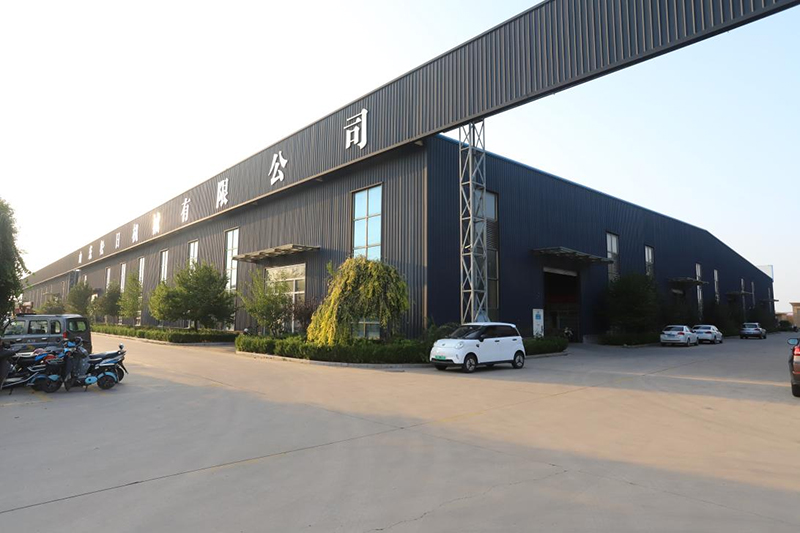
Welcome to visit our factory at any time !
 LANGUAGE


I managed cold-storage operations at a regional meat distributor for 12 years before I started writing about food. I've personally used or tested over 30 of these machines — cheap ones, expensive ones, commercial ones, my company ran 400 cycles a day on. I also annoy my wife by vacuum-sealing things that don't need vacuum-sealing. This is what I know.
My neighbor called me last December, sounding genuinely defeated. He'd just thrown out six pork shoulders — bought them on sale three months earlier, wrapped them the way most people do, assumed the freezer would take care of the rest.
Freezer burn. Every single one. He guessed he lost about $85 worth of meat.
I didn't say anything smug about it because I did something almost identical with a whole side of salmon the year before. Bought it fresh off the boat at Pike Place, portioned it out myself, wrapped it in plastic and foil because that's what my dad always did, and forgot about two pieces for four months. When I found them they smelled fine but the texture was shot — that mealy, dehydrated thing that happens when ice crystals slowly pull moisture from the flesh over time.
A vacuum sealer would've saved both of those situations. Completely. That's the kind of thing I mean when I say this purchase pays for itself — not in some theoretical long-run way, but the literal next time you buy protein in quantity.
So here's what I want to do in this guide: skip the stuff that doesn't matter and get straight to what does. Which type of machine fits how you actually cook? Which specific models would I hand to someone I care about? What the manufacturers don't tell you. And one or two things that are genuinely about food safety, not just quality — because I've seen people make assumptions about vacuum sealing that put them at real risk.
Jump straight to your situation if you want:
Before anything else, I want to explain the mechanism — because once you understand it, all the shelf life numbers stop seeming exaggerated.
Spoilage doesn't happen randomly. Almost all of it is driven by one thing: oxygen. The aerobic bacteria responsible for the slime on week-old chicken, the fuzz that grows on cheese, the rancid smell that develops in nuts — none of them function without oxygen. The oxidation process that browns your cut avocado within the hour, that slowly kills the flavor in roasted coffee, that bleaches the color from stored beef — same story. Oxygen is the engine. Cut off the oxygen, and you've cut off the process.
That's literally all a vacuum sealer does. It removes the oxygen and seals the bag before air can get back in.
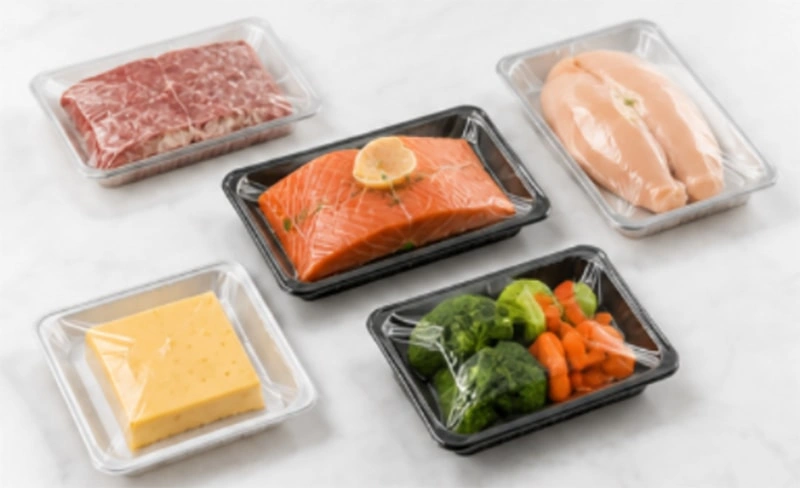
The USDA Food Safety and Inspection Service documents that vacuum packaging drops internal oxygen concentration to below 1%. The air you and I breathe is about 21% oxygen. Twenty times higher. That gap is why the shelf life numbers look the way they do — raw beef going from three or four days in the refrigerator to two or three weeks, or holding freezer quality for two to three years instead of six months.
Nothing magical is happening. Just removing the one ingredient that causes spoilage can't work without.
Vacuum sealing does not kill bacteria. I want to be plain about this because I've seen people make genuinely risky decisions around the assumption that it does.
If your chicken has been sitting at room temperature for four hours and you seal it, you haven't made it safe. You've put the problem in an airtight bag. FoodSafety.gov is explicit that vacuum packaging only extends safe storage when the food was properly handled before sealing. Not when you're trying to rescue something questionable.
I watched a guy at a commercial facility make this mistake with a case of fish once. He thought sealing would buy time. It didn't. The lesson stuck with me.
Preservation, not rescue. That's the framing that keeps you out of trouble.
You put food in a bag. You feed the open end into the machine's channel and press go. The pump evacuates the air — the bag collapses tightly around whatever's inside — and a heating element fuses the bag opening shut in the last second before air can get back in. The whole sequence takes 20 to 30 seconds.
Chamber machines run slightly differently. The whole bag goes inside a sealed box. The pump vacuums everything in that box at once — air inside the bag and air surrounding it — so pressure equalizes on both sides of the bag wall before the seal forms. That equal pressure is precisely what lets a chamber machine seal a bag of soup without sucking the soup out. I'll come back to this.
I'll say this once clearly: choosing the right type of machine matters more than choosing the right brand. I've watched people spend $200 on a machine that was completely wrong for what they do, and I've watched people get five or six years of trouble-free results from a $90 machine that matched their actual cooking habits. Type first. Always.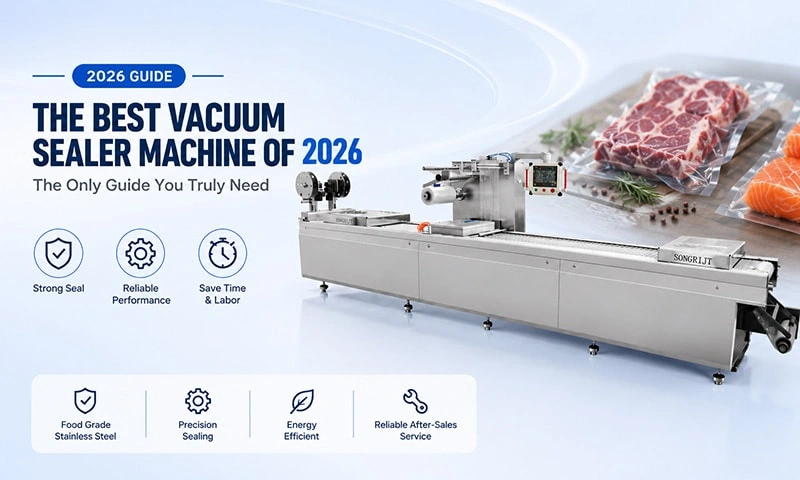
| External Sealer | Chamber Sealer | Handheld | |
|---|---|---|---|
| Price range | $50–$250 | $350–$5,000+ | $20–$60 |
| Seals liquids directly? | No — freeze first | Yes | No |
| What it handles best | Dry foods, batch prep | Liquids, sous vide, volume work | Short-term freshness only |
| Bags before rest needed | 5–10 | 20 to unlimited | N/A |
| Bag type required | Textured only | Smooth or textured | Valve bags only |
| Counterspace | Small to medium | Medium to large | |
| Honest best-fit user | Home cook, meal prepper | Serious home cook, food business | Occasional user, traveler |
The flat rectangular machine. You slide the bag opening into the slot, press the button, done. FoodSaver built this category in the 1980s and has owned most of it since.
For dry foods, these are genuinely excellent. Steaks. Chicken. Hard cheeses. Coffee. Almonds. Smoked fish. The seals are clean and consistent, and the machines are easy to operate.
Where it falls apart: liquids. The suction mechanism that pulls air through the bag opening doesn't distinguish between air and anything else near that opening — so it also tries to pull out whatever's liquid in there. Marinade goes into the machine. Soup goes into the machine. I did this with a batch of chimichurri the first week I owned a FoodSaver. Went straight into the interior, killed the motor, and I had to disassemble the thing to clean it out.
The workaround is freezing liquid foods solid first, then sealing the frozen block. It works. It also adds an extra step every time, which you'll forget about once — make a mess — and then never forget again. If you're regularly sealing anything wet or brined, this workaround will get old within a month.
What to actually spend: Skip anything under $70 for regular use. The $150–$200 range is where duty cycles and seal bar quality stop being a problem.
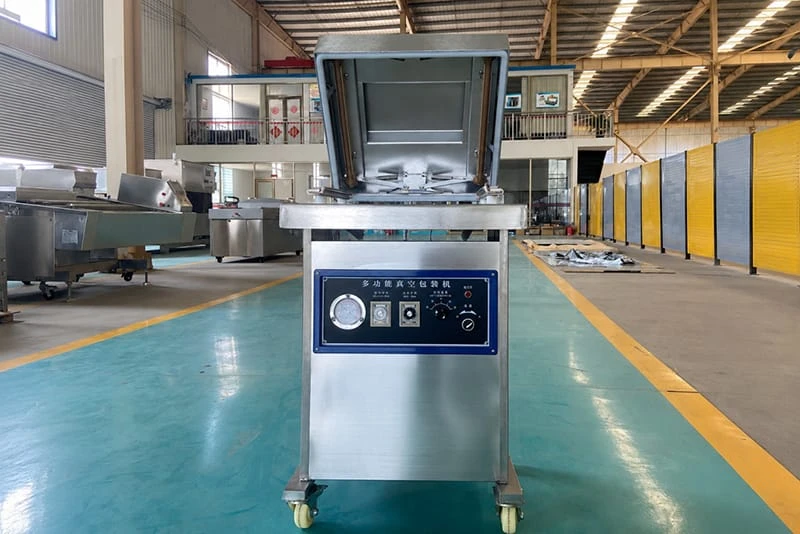
Everything goes inside an enclosed chamber. Bag, food, open end, and all. The machine vacuums the whole interior simultaneously — inside the bag and around it — so there's no pressure differential to pull liquid out. Then it seals. Then it opens the lid.
You can seal a bag half-full of red wine brine with duck legs floating in it. You can seal fresh fish in its own liquid. Bone broth. Tomato sauce. The soup you made this morning. All of it works, cleanly, with no special steps.
This is why every commercial kitchen, butcher shop, and food production operation uses chamber machines. Not because they cost more. Because they're just categorically better for anything involving moisture.
The honest downside: heavier, larger footprint, and entry-level prices start at $350–$450 for something worth owning. That's a real difference from an $80 external sealer.
Should you upgrade? If you cook sous vide: yes, obviously. Regularly sealing marinades or wet proteins: yes. Processing game or buying large cuts: probably. If you're just portioning chicken breasts and freezing vegetables a few times a month, an external sealer saves you $300 and handles it fine.
Battery-powered, works with resealable valve bags. Makes a partial vacuum — not a proper heat seal, not designed for preservation over months. I use mine for keeping opened bags of specialty coffee fresh for an extra week or two, or keeping half a bag of chips from going stale by Tuesday. That's its lane.
Don't buy one thinking it'll replace a real machine. It won't.
Most machines default to automatic: the pump runs until it detects enough vacuum, then seals on its own. That's fine for 90% of normal use.
Pulse mode — where you manually stop the cycle and seal early — matters if you ever want to seal anything that would get crushed by full compression. Fresh sourdough. Croissants. Ripe strawberries. Kettle chips. Full vacuum would reduce these to something flat and sad. If delicate foods are part of what you do, make sure the machine has a pulse setting.
External sealers pull 20–25 inHg. Chamber machines reach 99%-plus air removal. For home dry-food sealing, 20 inHg is entirely adequate. If you're dealing with liquids or running commercial volume, chamber depth is what you need.
I won't accept less than 12mm on anything I'm recommending. Below that, the seal line is narrower and has more exposure to weak points. Double seal bars — two parallel heat lines — are worth the upgrade: if one develops a gap, the second holds. For food that'll sit in your freezer for a year, a seal failure you don't discover until you pull the bag out is both expensive and discouraging. Double bars matter more than most people realize until they've had a single-bar seal fail on them.
FoodSaver machines are noticeably better optimized for FoodSaver's own bags. Third-party bags technically work, but I've had enough seal consistency variation with them to notice. Most other machines accept any standard textured bag from any supplier.
Third-party bags in bulk run roughly 50–70% less per bag than branded options. Over three years of regular use, that gap compounds into real money. Before you commit to any machine, look up what bags it actually works with — not just "compatible" in the technical sense, but consistently compatible in daily use.
How many bags in a row before the machine needs to rest and cool down?
Some budget external sealers need 20–30 seconds between every single bag. If you're portioning out 30 cuts of pork after a Costco run, or putting up a deer after a fall hunt, that mandatory wait for every single bag is maddening in a way that builds fast. I've seen people give up halfway through and just freeze things unwrapped because they couldn't stand the waiting.
Minimum I'd look for: 10 consecutive bags without a forced rest. Commercial machines run until you turn them off. This is the spec that gets the least attention in marketing materials and the most complaints in actual owner reviews.
A handful of machines include a sensor that detects liquid near the seal area and extends heating time to compensate. Not essential — but genuinely useful for fresh fish or anything that releases surface moisture during the vacuum cycle. Worth having if it shows up at your price point.
| Food | Unsealed | Fridge — Sealed | Freezer — Sealed |
|---|---|---|---|
| Raw beef | 3–5 days | 2–3 weeks | 2–3 years |
| Raw chicken | 1–2 days | 6–9 days | Up to 3 years |
| Raw fish/seafood | 1–2 days | 4–5 days | 2 years |
| Hard cheese | 1–2 weeks | 4–8 months | 8 months |
| Cooked meat | 3–4 days | 2 weeks | 3 years |
| Coffee beans | 2–3 weeks open | — | 2–3 months |
| Rice, flour, dry goods | 3–6 months | — | 1–2 years |
Sources: USDA FSIS vacuum packaging guidelines and FoodSafety.gov cold storage reference . Results depend on seal quality, how the food was handled before sealing, and storage temperature consistency.
The hard cheese number is the one that surprises people most. I've pulled sealed Parmesan from the back of my refrigerator after four months and had it taste like it was cut yesterday. That alone makes the machine worth it for anyone who buys real cheese in any quantity.
The main reason most people buy one is that it works exactly as advertised. Buy protein in bulk, portion it out, seal it, freeze it. No more anxiety about whether you'll use everything before it turns.
Coffee and nuts especially benefit from sealing. Oxidation in roasted coffee is slow but relentless — it just quietly murders the flavor over days. A sealed bag holds roast character noticeably longer than any other storage method I've tried, including fancy airtight containers.
These two technologies belong together. Sous vide cooking requires food in a bag before it goes into the temperature-controlled water bath — and the vacuum seal is what ensures uniform heat transfer throughout, no air pockets disrupting the process. Without a good seal, you get uneven zones and unpredictable results.
There's a marinade effect worth mentioning, too. The reduced pressure inside a vacuum-sealed bag draws marinade into protein fibers faster than conventional soaking. Thirty minutes of vacuum marination will outperform several hours in an open bowl. It's physics — pressure differential — but you taste it clearly in the finished food. For everything about cooking sous vide, my full beginner's guide is here →.
Birth certificates, passports, property records — sealed against humidity and moisture damage for long-term storage. Emergency preparedness kits where you're sealing medications, fire starters, or cash that needs to stay usable for years. Silver jewelry you're storing rather than wearing — tarnish is just oxidation, and sealing slows it. Ammunition for the same reason, since moisture is the enemy there.
Longer guide on freezer storage strategy →
This part is about actual food safety — not just quality. Pay attention to it.
| Food | Why It's a Problem | What to Do Instead |
|---|---|---|
| Soft cheeses — brie, camembert, ricotta, fresh mozzarella | Low-oxygen conditions are ideal for Listeria monocytogenes growth | Wax paper wrap, unsealed storage |
| Whole raw garlic | Clostridium botulinum produces toxin in anaerobic, room-temperature conditions | Freeze as minced in ice cube trays |
| Fresh mushrooms | Still biologically active — sealing speeds deterioration, not slows it | Breathable produce bags |
| Unwashed, unblanched broccoli, cabbage, Brussels sprouts | Post-harvest ethylene gas production builds up inside the seal and eventually breaks it | Blanch first, cool fully, then seal |
The garlic warning is not a technicality. There are documented, published botulism poisoning cases in medical literature linked specifically to raw garlic stored in sealed low-oxygen environments at room temperature. The FDA addresses this directly. Don't mentally file this under "probably fine." It is probably not fine.
Having the right machine is maybe 60% of the result. What you do before sealing is the other 40%.
Dry meat before it goes in the bag. Surface moisture on raw protein will interfere with seal formation and create condensation inside the bag during freezing that damages texture and flavor over time. Paper towel, quick pat, done. This takes 15 seconds, and it matters.
External sealer plus liquid equals freeze first. No exception. Freeze until fully solid, then seal.
Sharp edges will destroy your bags. Not might — will, eventually. Bone fragments, pasta ends, crab shells, lobster tail edges — these puncture bags either during the compression of sealing or from months of shifting in a loaded freezer drawer. Wrap anything that has an edge in a layer of paper towel before it goes in. Takes five seconds. Prevents the specific frustration of pulling a bag out of the freezer six months later and finding it's been slowly deflating for who knows how long.
Hot food and sealing don't mix. Steam inside a freshly sealed bag breaks the seal from the inside. Refrigerate first, always.
Smooth. Uniform across the entire width. Fully fused — run your thumb along it, and it should feel like one continuous piece of material, not two layers that happen to be touching. Anything wrinkled along the line, anything with a gap, anything that feels tacky or soft — that seal will fail.
| What You're Seeing | What's Causing It | How to Actually Fix It |
|---|---|---|
| The bag slowly re-inflates | The seal failed, or the bag is punctured | New bag, start over |
| Wrinkled or uneven seal | The bag wasn't held taut when you sealed it | Cut the bad area below, reposition with the bag flat and taut, retry |
| Liquid inside the channel | Moisture got into the sealing mechanism | Clean it out completely, let it fully dry before using again |
| The seal looks fine, but the food deteriorates early | There's a micro-breach you can't see | Submerge the bag in a bowl of water — air bubbles will show you exactly where it is |
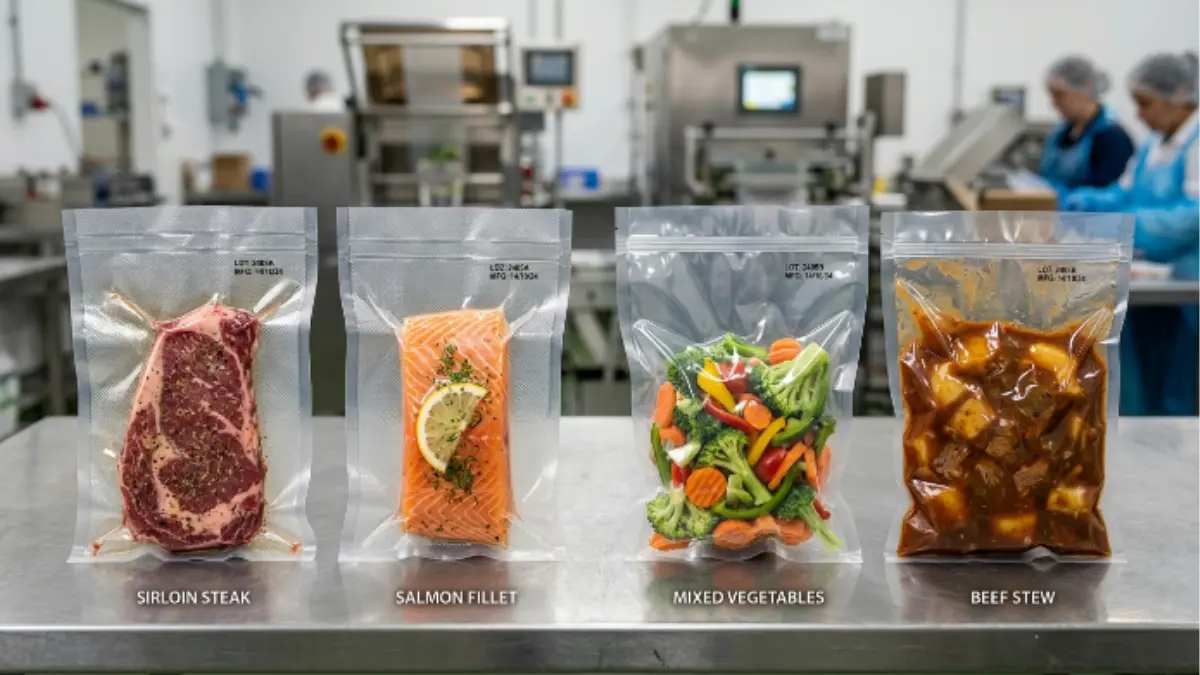 I've watched people return machines that were working perfectly because they paired them with the wrong type of bag. This is the most common non-obvious mistake in this category, and almost no guides mention it.
Textured bags — embossed, ridged surface — are for external sealers. The texture creates channels along the bag wall so air can keep moving toward the suction opening as the bag collapses around the food. Without those channels, the bag walls press flat against each other and block airflow before evacuation finishes. You get a bag that looks perfectly sealed and has maybe half the air actually removed. The food spoils faster than it should, and you blame the machine.
Smooth bags are for chamber sealers. No channels needed because the machine vacuums the whole chamber at once — air doesn't need to travel along the bag surface. And smooth bags provide a better oxygen barrier than textured ones, which is a genuine bonus.
Put textured bags in a chamber sealer, and you're wasting money on better bags than you need. Put smooth bags in an external sealer, and your seals will be inconsistent and weak. Match the bag to the machine type. Always.
Quality vacuum bags are a nylon/polyethylene laminate. Nylon on the outside handles puncture resistance and physical abuse. Polyethylene on the inside handles food contact safety and the thermal bonding that creates the seal. Thickness matters — thin bags develop micro-cracks under repeated freeze-thaw cycles and physical handling, and those cracks create slow seal failures you won't notice until weeks later.
For sous vide specifically, the bag is going into hot water for potentially hours. Look for bags explicitly rated BPA-free and heat-safe to at least 194°F (90°C). Some cheaper bags leach compounds under sustained heat. The NSF covers food-contact material requirements here . It's not a theoretical concern.
Reusing bags: Fine for dry goods — cut just below the old seal line each time so you're bonding fresh material. Raw meat and fish bags: no. Contamination risk isn't worth a few cents of savings.
Every machine here was either tested directly over months of real use or built from verified long-term owner experience gathered from cooking communities, hunting forums, and small food business operators. What I weighted: seal consistency over time under real batch conditions, duty cycle in actual use, bag compatibility flexibility, build durability over years, and value relative to real performance — not spec sheet claims.
No manufacturer paid for inclusion.
Who this is for: Home cooks, meal preppers, people sealing dry foods regularly, and anyone buying their first machine
FoodSaver built this product category, and the V4840 is the model that gets recommended most consistently by people who've owned one for two or three years — not just in launch-week reviews, but in the longer threads where people talk about what's still running.
It's not without problems. The bag situation is the main one: FoodSaver bags cost meaningfully more than third-party alternatives, and while off-brand bags work, I've noticed enough seal variation with them to mention it. If you're fine staying within FoodSaver's bag system, you're getting a reliable machine. If you want to run bulk third-party bags consistently, just know the seals won't be quite as consistent.
The double seal bar is a real advantage — two parallel heat lines mean that if one develops a weak spot, the second holds. I've had single-bar seals fail on me in ways that destroyed food I didn't catch for months. The double bar prevents that.
What I like about it: Double seal bar. Built-in roll cutter and storage. Pulse mode included. Strong warranty support. Wide accessory availability.
What I don't: The bag ecosystem. Duty cycle needs a break after 8–10 bags, which is annoying during big batch sessions. Can't seal liquids directly.
Skip this if you regularly seal marinades, soups, or wet proteins — you'll be doing the freeze-first workaround constantly, and it'll get old fast.
| Price | $150–$180 |
| Seal bar | Double |
| Seals liquids? | No |
| Session capacity | ~8–10 bags |
| Bag compatibility | Best with FoodSaver; some third-party works |
Who this is for: Budget-focused home cooks, anyone who wants more bag flexibility than FoodSaver allows
Nesco doesn't have FoodSaver's marketing budget, so most people haven't heard of them. That's a shame because the VS-12 performs comparably to FoodSaver's mid-range at a lower price with noticeably more flexible bag compatibility. For a few sealing sessions a week over regular home use, it holds up.
The single seal bar is the real limitation — that's where I'd want a double bar if I were using this for long-term freezer storage. But for the price, it's a genuinely solid machine that doesn't get the attention it deserves.
Like: Lower price, accepts most standard bags without consistency issues, compact. Don't like: Single seal bar, lower duty cycle.
| Price | $70–$90 |
| Seal bar | Single |
| Seals liquids? | No |
| Session capacity | ~5–7 bags |
| Bag compatibility | Most standard textured bags |
Who this is for: Hunters, anglers, farmers — anyone regularly doing extended batch sessions with large quantities of protein
The moment you pick this machine up, you understand it was built for a different category of use. The construction is noticeably heavier than anything in the consumer appliance tier. The thermal management is in another league — 40-plus bags without any overheating issues is the kind of performance that matters when you're processing a deer on a Saturday afternoon and need the machine to still be running at bag 35. Double seal bar standard. Universal bag compatibility.
It's more machine than most home cooks need. If you're sealing six chicken breasts on a Tuesday night, get the FoodSaver. If you're sitting in a garage in November putting up 60 pounds of venison, get this.
Like: Heavy-duty build, 40+ bag duty cycle, double seal bar, wide bag compatibility, built for actual volume work. Don't like: Larger footprint than consumer machines. Still an external sealer — no liquid sealing.
| Price | $200–$240 |
| Seal bar | Double |
| Seals liquids? | No |
| Session capacity | 40+ bags |
| Bag compatibility | Universal |
Who this is for: Sous vide cooks on a budget, Anova ecosystem users, anyone who finds FoodSaver's system annoying
Anova makes very good immersion circulators, and their vacuum sealer is better than most people expect, given that it's not their main product. It handles moist-surface foods better than most external sealers at this price point, the interface is cleaner than FoodSaver's, and bag compatibility is noticeably more flexible.
Still an external sealer — if your sous vide bags have liquid marinade in them, you'll still need to freeze first. But for dry or semi-dry proteins going into a water bath, this machine handles it cleanly.
Like: Better moist-food handling than most external sealers at this price. Clean interface. More flexible bag compatibility. Don't like: Single seal bar. Still no direct liquid sealing.
| Price | $80–$100 |
| Seal bar | Single |
| Seals liquids? | No (freeze-first workaround) |
| Session capacity | ~8 bags |
| Bag compatibility | Wide |
Who this is for: Sous vide regulars, anyone sealing liquids or wet foods, hunters, and bulk buyers who want chamber-level performance, people who've already outgrown an external sealer
This is the machine that gets recommended every single time someone in a serious cooking community asks what to upgrade to. It comes up constantly — not because it's the cheapest or the most marketed, but because it's the one that people are still happy with two and three years later.
It seals liquids directly without any workaround. It runs 20-plus consecutive bags without a thermal timeout. The build quality is a step above anything in the home appliance category — you can feel it immediately. This is not a cheap machine, and it earns every dollar of its price over time.
What it does better than everything else: True chamber vacuum sealing. Liquids. Marinades. Broths. Wet fish. All of it, without freezing anything first. 20+ bag sessions without rest. Built to last for years of hard use.
Where it doesn't make sense: If you're sealing a few chicken breasts and some vegetables twice a week, this is overkill, and you'd save $350 by getting a good external sealer instead. Be honest about your actual use.
| Price | $450–$500 |
| Chamber opening | 11.5" × 13.75" |
| Seals liquids? | Yes, directly |
| Session capacity | 20+ continuous |
| Bag compatibility | Smooth or textured |
Who this is for: Home users who want true liquid sealing without spending VacMaster money
The most accessible entry into real chamber sealing. Solid reputation in sous vide communities specifically — the people who use these machines hardest for liquid applications tend to recommend it. The chamber is smaller than the VacMaster, which limits larger cuts, and the duty cycle isn't as deep. But for home sous vide and regular liquid sealing at a significantly lower price point, it delivers.
Like: Real chamber sealing, direct liquid sealing, and more accessible price. Don't like: Smaller chamber than VP215, lower duty cycle.
| Price | $300–$350 |
| Seals liquids? | Yes |
| Session capacity | 15+ bags |
| Best for | Home sous vide, liquid sealing on a tighter budget |
Commercial and home use share the same basic technology and almost nothing else.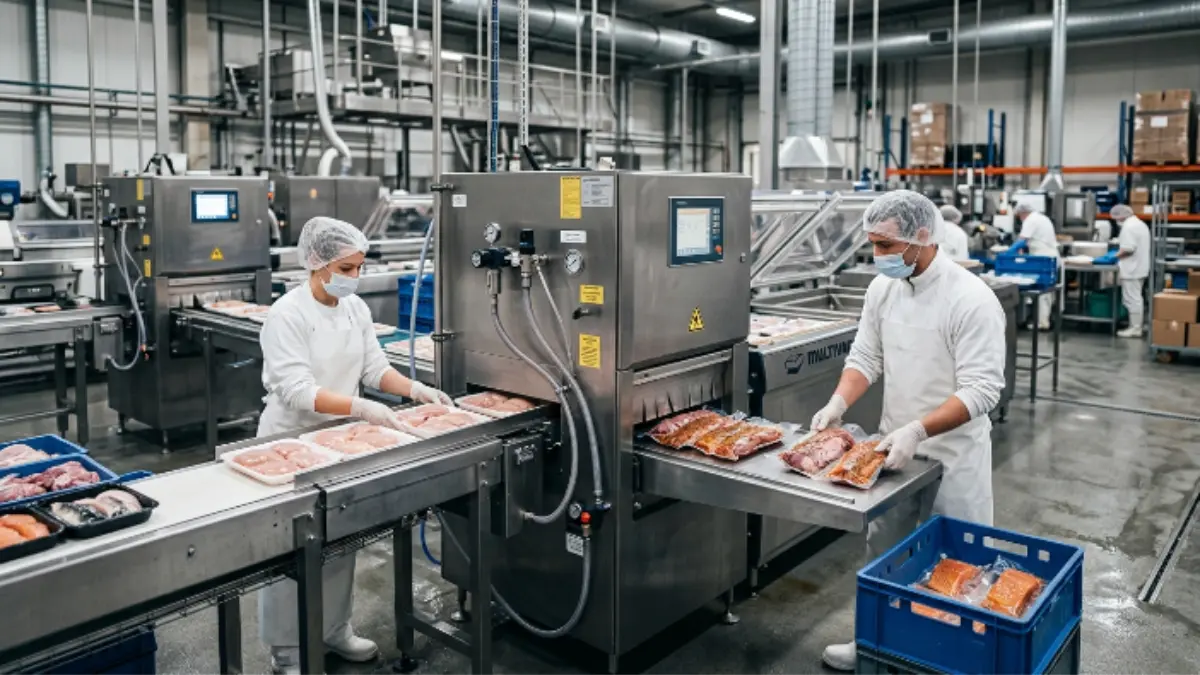
A small deli doing 80 packages a day needs continuous operation, an identical seal every single cycle, and equipment that satisfies food safety compliance requirements. In most jurisdictions, HACCP documentation is the baseline — the machine has to be part of a traceable, auditable process that you can show to an inspector. "Usually works" is not a compliance posture.
| Business Size | Machine Type | Realistic Budget |
|---|---|---|
| Small artisan producers, farmers' market | Entry Commercial Chamber | $1,500–$4,000 |
| Deli, small butcher, specialty food | Mid-range commercial chamber | $4,000–$15,000 |
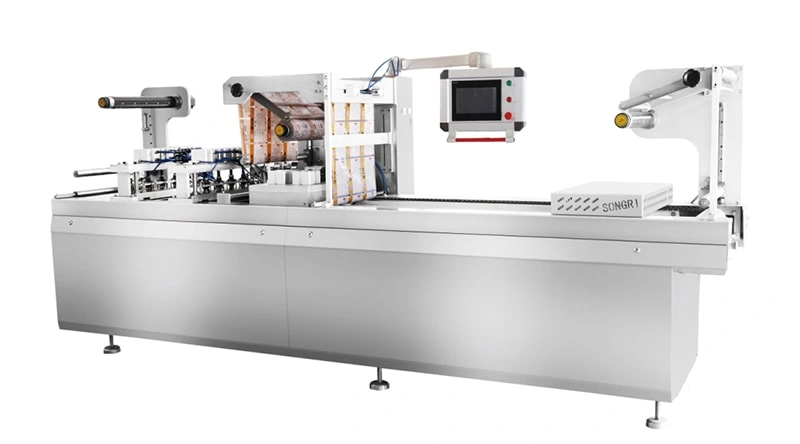
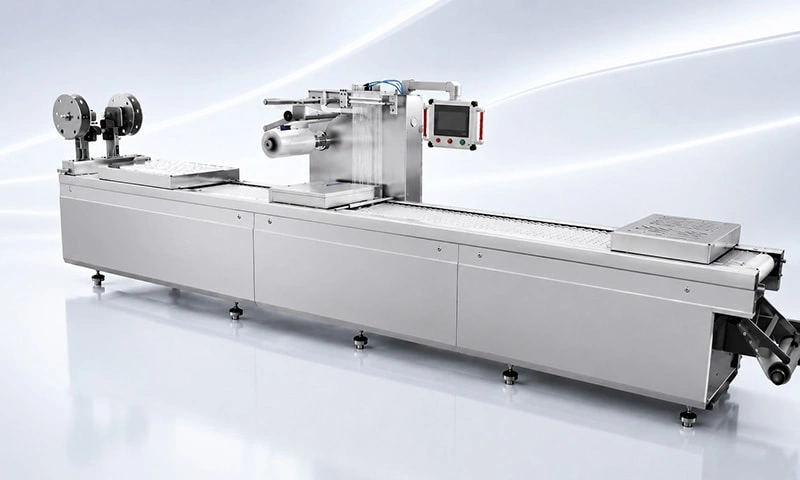
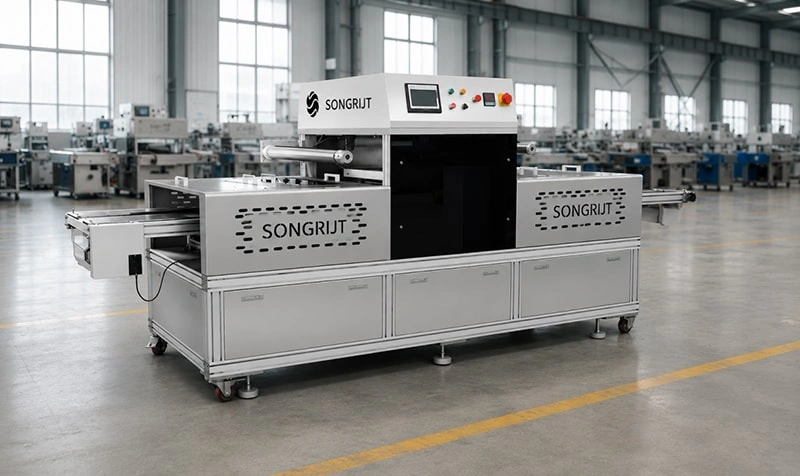
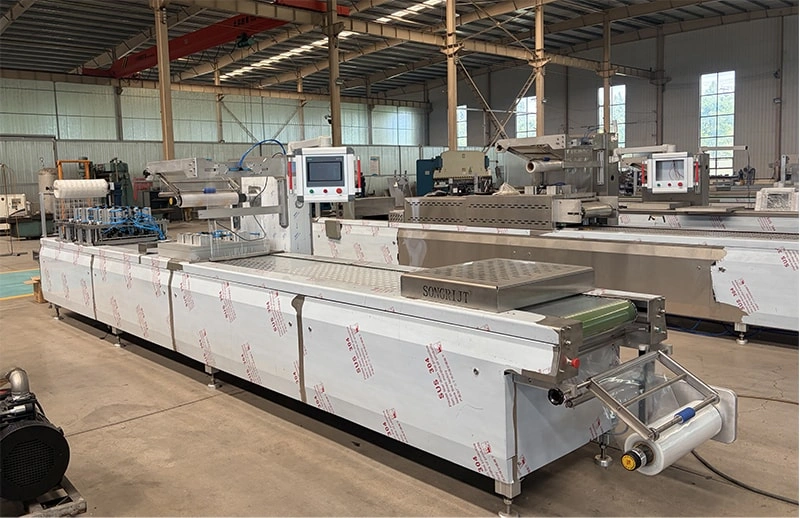
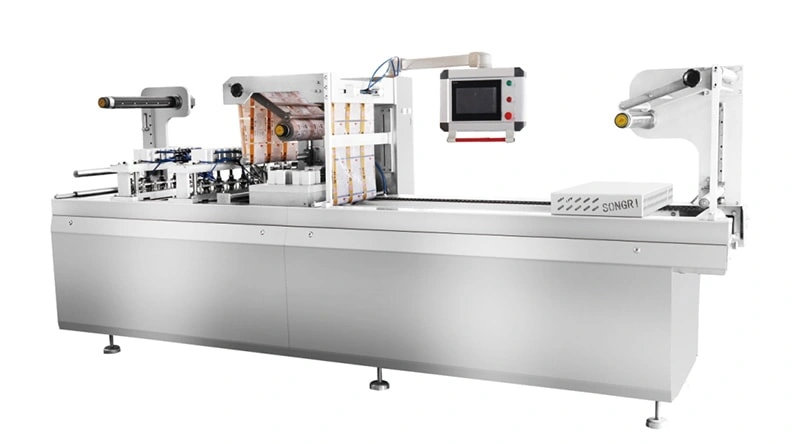
| Production facility, food manufacturer | Thermoforming or automated chamber line | $15,000–$60,000+ |
Multivac is the global benchmark for commercial food packaging equipment — German-engineered, used in food production facilities worldwide. If you've bought packaged fresh meat or produce at a supermarket, odds are decent it came off a Multivac line.
Henkelman is Dutch, has deep roots in European butchery and specialty food, and has excellent build quality with strong parts and service availability in North America.
VacMaster's commercial line is where most small US food businesses land — it bridges the gap between prosumer and full commercial performance without requiring a Multivac budget.
A note on Modified Atmosphere Packaging: MAP replaces internal air with a specific engineered gas blend rather than just removing it. Grocery store beef is typically packaged in 70–80% oxygen to maintain that red oxymyoglobin color consumers expect, with CO₂ to suppress bacterial growth. Different products get different blends. Machines with gas flush capability handle this. For most small operations, start with a solid chamber sealer. MAP becomes a conversation once you're at real production volume.
Removes oxygen from a bag and heat-seals it shut. Oxygen is the driver of bacterial growth and oxidation — removing it dramatically extends how long food stays good.
A heat sealer closes the bag but leaves the air — and the oxygen — inside. The vacuum sealer removes the air before sealing. That step is the entire point and the entire reason for the shelf life difference.
Chamber sealer: yes, directly, no prep needed. External sealer: freeze solid first, then seal. It works but adds a step every time.
Raw beef: 2–3 weeks refrigerated, 2–3 years frozen. Chicken: 6–9 days refrigerated, up to 3 years frozen. Hard cheese: 4–8 months refrigerated. Rice, flour, dry goods: 1–2 years.
Soft cheeses, whole raw garlic (real botulism risk), fresh mushrooms, and unblanched cruciferous vegetables. Full explanation and safe alternatives above.
Dry goods: yes — cut below the old seal each time. Raw meat or fish bags: no.
Chamber sealer if budget allows — VacMaster VP215 is the standard recommendation. If budget is the constraint and you're mainly sealing dry proteins, the FoodSaver V4840 or the Anova Precision both handle it well.
The bag will re-inflate as air seeps back in. Test by submerging in water — bubbles confirm a breach. When food safety is genuinely uncertain, throw it out.
If you buy food in bulk, cook sous vide, process game, or consistently lose food to freezer burn and spoilage — yes, and usually fairly quickly. A $150 machine that saves you one $30 bulk protein purchase per month pays for itself in five months.
Here's what I'd actually tell someone who called and asked:
Home cook who wants to stop throwing away food: FoodSaver V4840. Don't overthink it. Get the one with the double seal bar.
You cook sous vide, or you need to seal anything wet: VacMaster VP215. Budget $450 to $500. The freeze-first workaround on an external sealer will wear on you within the first month of serious use.
Hunter or game processor: Weston Pro-2300. It's designed for exactly that use case, and nothing in the consumer tier competes with it on duty cycle.
You're running a food business of any size: VacMaster commercial line minimum. Don't run a food operation on a home appliance. It's not designed for it, and it'll show.
The mistake I see most often is someone buying a machine that's wrong for what they do, discovering the limitation through frustration over a few weeks, and then buying the right one, just after they've already spent money on the wrong one. That extra purchase is entirely avoidable. Be honest about what you'll actually use it for and buy that machine the first time.
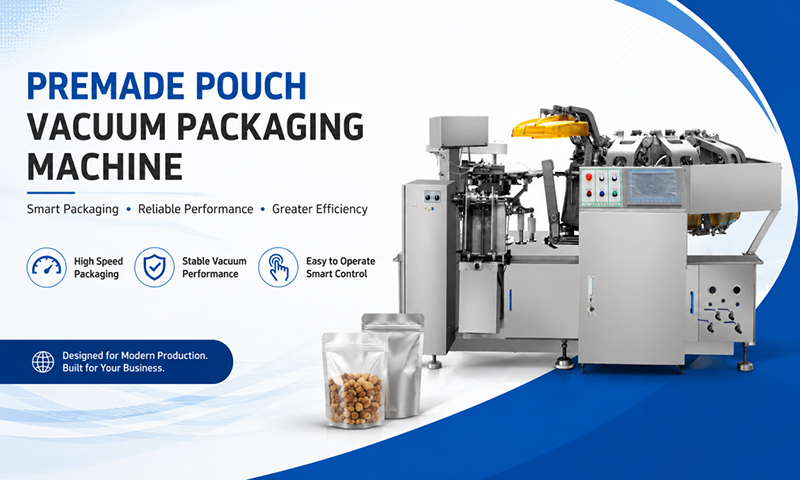
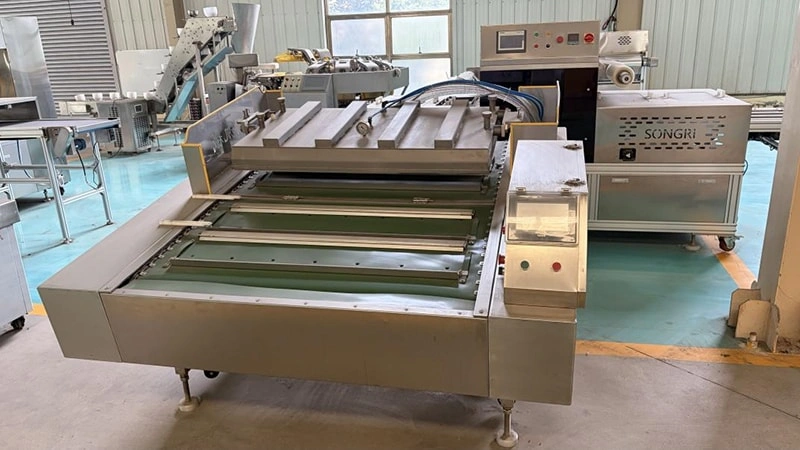
Explore More Vacuum Packaging Solutions
• Double Chamber Vacuum Packaging Machine
• Single Chamber Vacuum Packaging Machine
• Vacuum Skin Packaging Machine
• Continuous Vacuum Rolling Packaging Machine
• Thermoforming Packaging Machine



Copyright © 2026 by Shandong Songri Machinery Co., Ltd. All Rights Reserved
Privacy Policy | Sitemap Designed by HUISHANG